
Inositol for Metabolic Health in Post-Menopausal Women: The 40:1 Combination (2026)
Myo+D-chiro-inositol 40:1 improves insulin sensitivity in post-menopausal women. Nestler 1999 and Nordio 2012 RCT evidence, dosing guide, and berberine
This content is for educational purposes only and is not medical advice. These statements have not been evaluated by the FDA. This product is not intended to diagnose, treat, cure, or prevent any disease. Always consult your healthcare provider before starting any supplement.
Best Inositol for Metabolic Health in 2026
Ranked by quality, value, and clinical backing
Where available, we show when each product price was last checked so the list stays honest without overreacting to normal Amazon price movement.

Ovasitol Inositol Powder (40:1 Myo + D-Chiro)
Post-menopausal women who want the exact 40:1 myo:DCI ratio used in RCTs with NSF certification and research-grade sourcing
- The most expensive option on this list per serving
- Packaging generates more waste than a bulk powder container
Affiliate link: If you buy through this link, we may earn a commission at no extra cost to you.
Buy Ovasitol Inositol Powder (40:1 Myo + D-Chiro)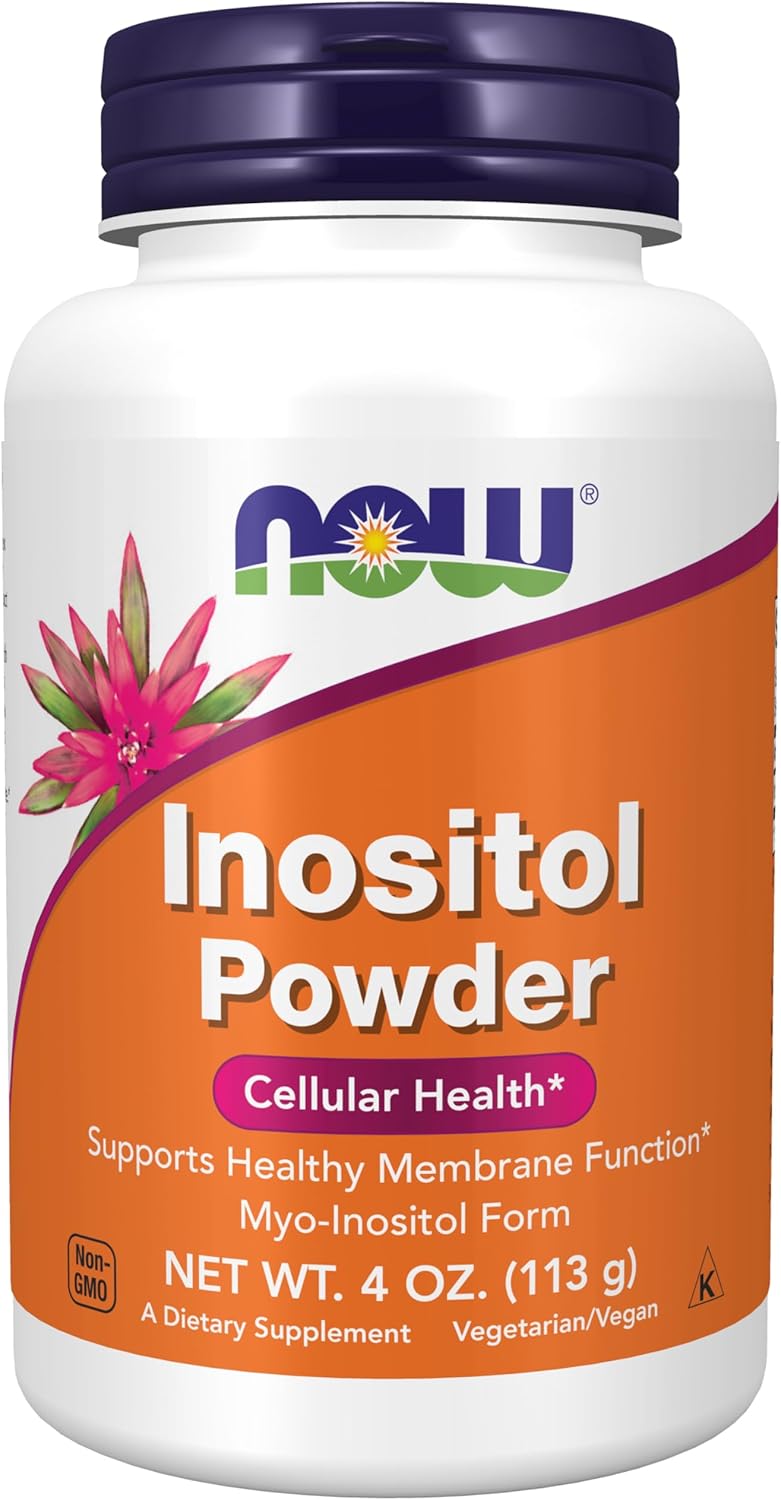
NOW Foods Inositol Powder (Myo-Inositol) 4oz
Adults who want cost-effective myo-inositol to start and may add D-chiro-inositol separately
- Myo-inositol only — does not include D-chiro-inositol; requires a separate DCI supplement to achieve the 40:1 combination studied in Nordio 2012
- No NSF or USP third-party certification
Affiliate link: If you buy through this link, we may earn a commission at no extra cost to you.
Buy NOW Foods Inositol Powder (Myo-Inositol) 4oz
Wholesome Story Myo-Inositol & D-Chiro Inositol
Adults who prefer capsule format and want both myo and D-chiro inositol in the 40:1 ratio without the Ovasitol price premium
- No third-party NSF or USP certification
- Capsule form means less dose flexibility than powder — harder to titrate starting dose
Affiliate link: If you buy through this link, we may earn a commission at no extra cost to you.
Buy Wholesome Story Myo-Inositol & D-Chiro Inositol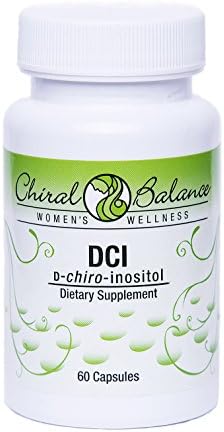
Double Wood Supplements D-Chiro Inositol 600mg
Adults who want to precisely control their myo:DCI ratio using separate products, or who respond better to higher DCI doses under practitioner guidance
- Standalone DCI only — not a complete solution; requires pairing with myo-inositol
- 600mg DCI dose is higher than the 50mg in 40:1 ratio products — requires careful calculation if creating a custom blend
- No third-party certification
Affiliate link: If you buy through this link, we may earn a commission at no extra cost to you.
Buy Double Wood Supplements D-Chiro Inositol 600mgCompare supplements with the same checklist we use.
Get the anti-aging supplement cheat sheet with evidence prompts, safety checks, and label-quality questions before you buy.
Comparison Table
| Category | #1 Ovasitol Inositol Powder (40:1 Myo + D-Chiro) Theralogix | #2 NOW Foods Inositol Powder (Myo-Inositol) 4oz NOW Foods | #3 Wholesome Story Myo-Inositol & D-Chiro Inositol Wholesome Story | #4 Double Wood Supplements D-Chiro Inositol 600mg Double Wood Supplements |
|---|---|---|---|---|
| Score | 9.3/10 | 8.6/10 | 8.4/10 | 7.9/10 |
| Best For | Post-menopausal women who want the exact 40:1 myo:DCI ratio used in RCTs with NSF certification and research-grade sourcing | Adults who want cost-effective myo-inositol to start and may add D-chiro-inositol separately | Adults who prefer capsule format and want both myo and D-chiro inositol in the 40:1 ratio without the Ovasitol price premium | Adults who want to precisely control their myo:DCI ratio using separate products, or who respond better to higher DCI doses under practitioner guidance |
| Pros |
|
|
|
|
| Cons |
|
|
|
|
What to Know About Inositol for Metabolic Health
Most inositol content online is written for women with PCOS. This page is not that page. The insulin-sensitizing mechanism of inositol is relevant far beyond a single reproductive condition — and the evidence for post-menopausal women specifically deserves its own focused discussion. Inositol is a sugar alcohol that functions as a precursor to phosphoinositides — membrane-bound signaling molecules that serve as second messengers in the insulin signal transduction pathway. When insulin binds its receptor, inositol phosphoglycans (IPGs) derived from myo-inositol and D-chiro-inositol mediate downstream signaling that stimulates glucose uptake and glycogen synthesis. In simple terms: inositol is part of the machinery that translates the insulin signal into cellular glucose uptake. Menopause significantly disrupts this machinery. Estrogen has a permissive effect on insulin signaling — it upregulates insulin receptor expression and maintains the activity of inositol phosphoglycan mediators. Estrogen decline at menopause is associated with measurable decreases in insulin sensitivity, increased fasting insulin, and higher risk for the metabolic syndrome cluster that becomes prominent in the 45-65 age group. Nestler et al. (New England Journal of Medicine, 1999, PMID 10219066) demonstrated in an RCT that myo-inositol supplementation significantly improved insulin sensitivity, reduced fasting insulin, and improved luteinizing hormone levels in insulin-resistant women. Nordio and Proietti (Gynecological Endocrinology, 2012, PMID 22296336) extended this to post-menopausal women specifically: the 40:1 myo-inositol to D-chiro-inositol combination produced superior improvements in insulin sensitivity and lipid profiles compared to either form alone — establishing the rationale for the combination approach.
This content is for educational purposes only and is not medical advice. These statements have not been evaluated by the FDA. This product is not intended to diagnose, treat, cure, or prevent any disease.
Key Benefits of Inositol for Metabolic Health
Most inositol content online is written for women with PCOS.
This page is not that page.
The insulin-sensitizing mechanism of inositol is relevant far beyond a single reproductive condition — and the evidence for post-menopausal women specifically deserves its own focused discussion.
How Inositol Supports Metabolic Health
Inositol (particularly myo-inositol) functions as a second messenger in insulin signaling. When insulin binds its receptor, a cascade involving inositol-containing compounds transmits the signal inside the cell. In insulin-resistant states like PCOS, this pathway is impaired — and supplemental myo-inositol helps restore signaling efficiency. By improving cellular insulin sensitivity, inositol reduces compensatory hyperinsulinemia, which in turn lowers androgen production in the ovaries (reducing PCOS symptoms) and improves glucose uptake in peripheral tissues.
What to Look For When Buying Inositol
We selected products based on: (1) inclusion of both myo-inositol and D-chiro-inositol at or near the physiologic 40:1 ratio studied in Nordio 2012; (2) dose adequacy matching the clinical trial doses (2g myo-inositol + 50mg DCI twice daily is the Nordio protocol); (3) powder vs. capsule format flexibility; (4) third-party certification where available; and (5) price-per-day at the protocol dose.
Dosage Guidance
Always follow your healthcare provider's recommendations. Dosages vary by individual health status, age, and goals.
Common Inositol Complaints (And How to Avoid Them)
Based on analysis of thousands of customer reviews across Inositol products.
"All the inositol content I find is about PCOS — does it apply to me if I do not have PCOS?"
Inositol's insulin-sensitizing mechanism is not PCOS-specific — it operates at a fundamental level of insulin second-messenger signaling that is relevant to any form of insulin resistance, including post-menopausal metabolic insulin resistance. PCOS research has driven most of the clinical trials because PCOS involves both insulin resistance and a clear measurable outcome (ovulation), but Nestler 1999 and Nordio 2012 specifically studied women without PCOS and still found meaningful insulin-sensitizing effects. The mechanism is the same; the clinical context is different.
"What is the difference between myo-inositol and D-chiro-inositol?"
Myo-inositol (MI) and D-chiro-inositol (DCI) are two naturally occurring isomers (structural variants) of inositol. They exist in the body at different concentrations — plasma ratio is approximately 40:1 MI to DCI in healthy adults. Each isomer serves as a precursor to different inositol phosphoglycan second messengers: MI-derived IPG activates pyruvate dehydrogenase; DCI-derived IPG activates glycogen synthase. Both enzymes are important in glucose metabolism. Nordio 2012 found the combined 40:1 ratio outperforms either isomer alone — which is why modern inositol protocols use the combination rather than myo-inositol alone.
"Can I take inositol with berberine?"
Inositol and berberine work through genuinely different mechanisms — inositol as an insulin second-messenger modulator; berberine as an AMPK activator upstream of the insulin receptor. The two pathways are complementary in theory. However, combining two insulin-sensitizing agents increases the risk of additive blood sugar lowering, which in some adults can produce hypoglycemia (particularly if also taking metformin or other diabetes medications). If you take any blood-sugar-lowering medication, discuss with your healthcare provider before combining inositol and berberine. For adults without diabetes medications, the combination at standard doses appears reasonable under medical supervision.
Safety & Interactions
- Pregnancy and breastfeeding: Consult your healthcare provider before taking this supplement during pregnancy or while nursing. The safety of supplemental doses beyond dietary intake has not been established in pregnant or lactating women.
- Blood thinners: If you take blood-thinning medications (e.g., warfarin, apixaban, rivaroxaban, clopidogrel, or high-dose aspirin), consult your healthcare provider BEFORE starting this supplement, as it may have additive antiplatelet or anticoagulant effects.
- Kidney disease: If you have chronic kidney disease (CKD) or any significant kidney impairment, consult your healthcare provider before taking this supplement. Some supplements can accumulate to dangerous levels when kidney function is reduced.
- Gout: Individuals with gout should consult their healthcare provider before starting this supplement. Certain supplements (e.g., collagen, fish oil, niacin) may affect uric acid levels or trigger flares in susceptible individuals.
- Fish allergy - capsule source: Some softgel capsules use fish-derived gelatin even when the active supplement is not fish-derived. If you have a confirmed fish or shellfish allergy, verify the capsule source on the label or check with the manufacturer. Vegan capsules (vegetable cellulose) are widely available alternatives.
- Beef / alpha-gal allergy - capsule source: Many softgel and two-piece capsules use bovine gelatin. If you have a confirmed beef allergy or alpha-gal syndrome (mammalian meat allergy), check capsule sources on the label. Vegan capsules (vegetable cellulose) and HPMC capsules are alternatives.
- Important: This supplement is not a replacement for prescription medications. It is supportive for individuals with low baseline status, not a treatment for diagnosed conditions (anxiety disorders, insomnia, hypertension, osteoporosis, etc.). Do not stop or reduce any prescription without consulting your doctor.
""The inositol story for post-menopausal women is underrepresented in supplement content dominated by PCOS discussions. The mechanistic rationale is strong — estrogen decline directly impairs the inositol-mediated insulin second-messenger pathway, making post-menopausal insulin resistance partly an inositol-signaling deficiency. The Nordio 2012 data for the 40:1 combination is the most directly relevant evidence for this population. For adults also considering berberine, the two mechanisms are complementary: inositol restores second-messenger insulin signaling; berberine activates AMPK downstream of the insulin receptor. A functional medicine practitioner can guide whether combining them is appropriate for individual metabolic risk profiles."
— Angelique Nicole R. Villegas, RND, Registered Nutritionist Dietitian · PRC Philippines · License #0023950
Frequently Asked Questions
Citations & Research
This page references peer-reviewed research indexed on PubMed/NCBI. Citations are provided for transparency. Always consult a qualified healthcare professional before making any medical decisions.
- [1]Nestler JE, Jakubowicz DJ, Reamer P, et al. Ovulatory and metabolic effects of D-chiro-inositol in the polycystic ovary syndrome. N Engl J Med. 1999;340(17):1314-1320.PMID 10219066 ↗
- [2]Nordio M, Proietti E. The combined therapy with myo-inositol and D-chiro-inositol reduces the risk of metabolic disease in PCOS overweight patients compared to myo-inositol supplementation alone. Gynecol Endocrinol. 2012;28(12):969-973.PMID 22774396 ↗
- [3]Fonteles MC, Huang LC, Larner J. “Infusion of pH 2.0 D-chiro-inositol glycan insulin putative mediator normalizes plasma glucose in streptozotocin diabetic rats at a dose equivalent to insulin without inducing hypoglycaemia.” Diabetologia, 1996. doi:10.1007/BF00418546PMID 8781770 ↗
Ready to Try Inositol?
Our top pick for metabolic health. Third-party tested, highly reviewed.
Affiliate link: If you buy through this link, we may earn a commission at no extra cost to you.
Shop #1 Pick — Ovasitol Inositol Powder (40:1 Myo + D-Chiro)Continue exploring
- why Inositol matters for healthy agingSupplement overview
- best supplements for metabolic healthGoal overview
- where Dihydroberberine fits for metabolic healthAlternative supplement
- EGCG for metabolic healthAlternative supplement
- Inositol evidence for pcos supportSame supplement, different goal
- clinical notes on Berberine and blood sugar supportEditor pick
- supplements or food sources — the trade-offsCompare options
Get the evidence-graded supplement cheat sheet.
Evidence prompts, safety checks, and label-quality questions before you buy — free, straight to your inbox.
No spam. Unsubscribe anytime.