
Best Zinc for GLP-1 Hair Loss (Ozempic / Wegovy / Mounjaro 2026)
Zinc deficiency is an underdiagnosed cause of hair loss on Ozempic and Wegovy. Evidence from caloric restriction studies — best zinc supplements reviewed.

This content is for educational purposes only and is not medical advice. These statements have not been evaluated by the FDA. This product is not intended to diagnose, treat, cure, or prevent any disease. Always consult your healthcare provider before starting any supplement.
Best Zinc for GLP-1 Hair Loss in 2026
Ranked by quality, value, and clinical backing
Where available, we show when each product price was last checked so the list stays honest without overreacting to normal Amazon price movement.
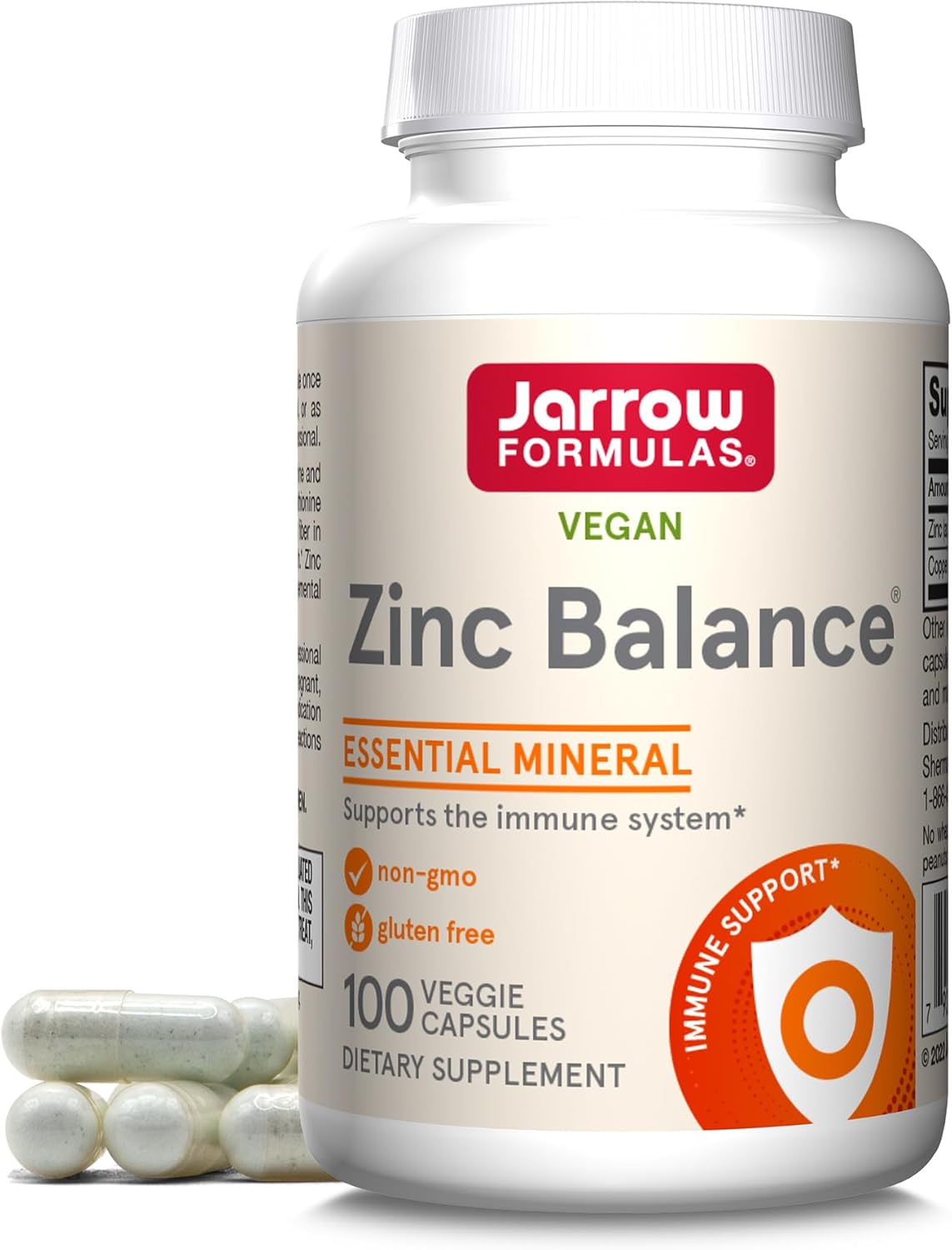
Jarrow Formulas Zinc Balance (15mg Zinc Monomethionine + 1mg Copper)
Jarrow Formulas Zinc Balance — 15mg zinc monomethionine + 1mg copper per capsule. 4.7★ (9,400+ ratings). Top pick for long-term use because it includes copper to prevent depletion.
- Lower elemental zinc dose (15mg) — if deficiency is confirmed, a higher-dose product may be appropriate under medical guidance
- Amazon price and availability can change over time
Affiliate link: If you buy through this link, we may earn a commission at no extra cost to you.
Buy Jarrow Formulas Zinc Balance (15mg Zinc Monomethionine + 1mg Copper)
NOW Foods Zinc Picolinate 50mg
NOW Foods Zinc Picolinate 50mg — high-dose zinc picolinate for users confirmed deficient. 4.8★ (10,500+ ratings). Requires copper co-supplementation if used long-term.
- 50mg exceeds the Tolerable Upper Intake Level of 40mg/day — should only be used long-term under medical guidance
- Does NOT include copper — must co-supplement copper (1–2mg/day) if using this product beyond 4–6 weeks
- Amazon price and availability can change over time
Affiliate link: If you buy through this link, we may earn a commission at no extra cost to you.
Buy NOW Foods Zinc Picolinate 50mg
Pure Encapsulations Zinc 15mg (Picolinate)
Pure Encapsulations Zinc 15mg — hypoallergenic formulation for sensitive users. 4.8★ (5,600+ ratings).
- Does not include copper — add a copper supplement if using long-term
- Higher per-serving cost than NOW Foods at same 15mg dose tier
- Amazon price and availability can change over time
Affiliate link: If you buy through this link, we may earn a commission at no extra cost to you.
Buy Pure Encapsulations Zinc 15mg (Picolinate)Compare supplements with the same checklist we use.
Get the anti-aging supplement cheat sheet with evidence prompts, safety checks, and label-quality questions before you buy.
Comparison Table
| Category | #1 Jarrow Formulas Zinc Balance (15mg Zinc Monomethionine + 1mg Copper) Jarrow Formulas | #2 NOW Foods Zinc Picolinate 50mg NOW Foods | #3 Pure Encapsulations Zinc 15mg (Picolinate) Pure Encapsulations |
|---|---|---|---|
| Score | 9/10 | 8.5/10 | 8.6/10 |
| Best For | Most GLP-1 users seeking zinc maintenance repletion for hair support — the copper inclusion makes it the safest choice for daily long-term use | GLP-1 users with confirmed zinc deficiency (via bloodwork) who want a higher-dose repletion product under medical supervision | GLP-1 users with multiple supplement sensitivities or allergies who need a clean, hypoallergenic 15mg zinc option |
| Pros |
|
|
|
| Cons |
|
|
|
What to Know About Zinc for GLP-1 Hair Loss
When people search for why they're losing hair on Ozempic, Wegovy, or Mounjaro, biotin gets most of the attention — but zinc is a frequently overlooked and arguably more directly relevant player in the mechanism. Here's why: the richest dietary sources of zinc are the same foods GLP-1 users often eat less of — meat, shellfish, fish, and legumes. These happen to be the primary protein-rich foods, and GLP-1 appetite suppression disproportionately reduces high-protein food intake. Zinc is absorbed in competition with other minerals and is not stored in meaningful tissue reserves; whatever dietary zinc you're not eating, you're not obtaining. Zinc is essential for hair follicle cell proliferation, matrix metalloproteinase activity, and the normal cycling of the follicle through growth (anagen), regression (catagen), and resting (telogen) phases. When serum zinc falls below functional thresholds, follicle cells — which are among the most rapidly dividing cells in the body — are among the first to be affected. The result is diffuse shedding characteristic of telogen effluvium. This mechanism is distinct from the biotin (B7 coenzyme) pathway and from the androgenetic/DHT mechanism addressed by saw palmetto. Zinc deficiency is a mineral depletion problem driven by reduced protein-rich food intake, and it requires mineral repletion — not a B vitamin or a 5-alpha-reductase inhibitor — to address. The best evidence analog for GLP-1 users is the bariatric surgery population, where similarly dramatic caloric restriction produces documented zinc deficiency and hair loss that resolves with mineral repletion.
This content is for educational purposes only and is not medical advice. These statements have not been evaluated by the FDA. This product is not intended to diagnose, treat, cure, or prevent any disease.
Key Benefits of Zinc for GLP-1 Hair Loss
May support hair follicle cell proliferation and normal follicle cycling when zinc status is depleted by reduced protein and caloric intake on GLP-1 medications — targeting a specific mineral pathway distinct from B-vitamin approaches
Backed by the strongest analog evidence for caloric-restriction-induced hair loss: bariatric surgery populations with documented zinc deficiency and hair loss that responds to mineral repletion
Available in well-absorbed organic forms (picolinate, bisglycinate/monomethionine) at low cost, with products that address the long-term copper depletion risk of zinc supplementation
How Zinc Supports GLP-1 Hair Loss
Zinc is an essential trace mineral and cofactor for over 300 enzymes. In the context of hair biology, several zinc-dependent processes are directly relevant. First, zinc is required for the proliferation of hair matrix keratinocytes — the cells that divide to produce the hair shaft. In zinc deficiency, this proliferative activity is impaired, which can push follicles prematurely into the resting (telogen) phase and produce diffuse shedding. Second, zinc is a component of matrix metalloproteinases (MMPs) — enzymes involved in remodelling the extracellular matrix of the follicle during the hair cycle. Third, zinc plays a role in regulating the balance between apoptosis (programmed cell death) and proliferation in follicle bulge cells, which are the stem cells responsible for follicle regeneration. The GLP-1 mechanism for zinc depletion is dietary, not pharmacological. GLP-1 receptor agonists themselves do not directly reduce zinc absorption or increase zinc excretion. What they do is powerfully suppress appetite and reduce overall food intake. Because protein-rich foods — particularly meat, shellfish (oysters are the richest zinc source), and fish — are the primary dietary zinc sources, GLP-1-induced appetite suppression that preferentially reduces protein intake directly reduces zinc intake. Unlike some fat-soluble nutrients, zinc is not stored in meaningful body reserves; it must be supplied regularly through diet. Weeks to months of reduced zinc intake can produce subclinical deficiency that impacts rapidly dividing tissues — including hair follicles — before other clinical signs appear. The bariatric surgery analog is instructive: patients who dramatically reduce food intake post-operatively frequently develop zinc deficiency and associated hair loss at 3–6 months post-surgery, even when multivitamin supplementation is recommended. GLP-1-associated hair shedding follows a similar timeline: most often presenting 2–4 months after the initiation of rapid weight loss.
For the full picture of which supplements matter most on GLP-1 therapy, GLP-1 hair loss supplements overview compares all major options side by side.
Separately, biotin for GLP-1 hair loss addresses the vitamin B7 depletion pathway — a different mechanism from zinc but equally plausible when caloric intake is significantly restricted.
What to Look For When Buying Zinc
Zinc supplementation for GLP-1 hair loss has two critical buying considerations that are not relevant for most other supplements: dose safety and copper balance. **Dose: stay at or below 40mg elemental zinc for daily self-managed use.** The Tolerable Upper Intake Level for zinc is 40mg/day for adults. Doses above this can cause nausea (typically the first symptom), suppress copper absorption, and in sustained high-dose use, impair immune function. For most GLP-1 users seeking maintenance repletion without confirmed deficiency, 15–25mg/day is appropriate and safe. If your provider has confirmed zinc deficiency via bloodwork, higher doses (up to 50mg/day) may be recommended for a defined repletion period — but this should be monitored. **Copper depletion: the most overlooked zinc safety issue.** Zinc and copper are absorbed via the same intestinal transporter (ZIP4/SLC39A4). Taking zinc supplements for more than 4–6 weeks without co-supplementing copper (1–2mg/day) can deplete copper stores, which causes its own set of problems: copper-deficiency anaemia, neurological symptoms, and immune impairment. The Jarrow Formulas Zinc Balance is the only product in this review that includes copper (1mg per capsule) — which is why it ranks first for most users. If you use the NOW Foods 50mg or Pure Encapsulations 15mg, add a separate 1–2mg copper supplement. **Form matters: choose organic zinc over zinc oxide.** Zinc oxide is commonly found in cheap, mass-market formulations. Its bioavailability is significantly lower than zinc picolinate, zinc bisglycinate (monomethionine), or zinc citrate. For a hair-support application, you want the zinc to actually be absorbed. All three products in this review use higher-bioavailability organic forms. **Food-first applies here too.** If your appetite allows, aim to increase zinc-rich food intake first: oysters are the richest source (52mg per 100g), followed by beef, pumpkin seeds, chicken, and lentils. Even modest dietary improvements in zinc intake may reduce the dose of supplemental zinc needed.
Dosage Guidance
Always follow your healthcare provider's recommendations. Dosages vary by individual health status, age, and goals.
Common Zinc Complaints (And How to Avoid Them)
Based on analysis of thousands of customer reviews across Zinc products.
"Zinc makes me nauseous"
Zinc on an empty stomach is a very common cause of nausea. Always take zinc with food — even a small snack is sufficient to reduce GI irritation significantly. If you're using the 50mg NOW Foods product, consider switching to the 15mg Jarrow or Pure Encapsulations option; lower doses are better tolerated and more appropriate for daily maintenance use without confirmed deficiency.
"I heard high-dose zinc is dangerous"
Sustained supplementation above the 40mg Tolerable Upper Intake Level is a real concern — primarily because of copper depletion rather than zinc toxicity itself. All three products in this review are at or below 50mg, and the Jarrow Formulas Zinc Balance at 15mg is safely below the UL. If you're managing hair loss maintenance (not confirmed deficiency), 15mg daily with copper included is the appropriate choice.
"My hair is still falling out after taking zinc"
Zinc supplementation for nutritional deficiency-related hair loss requires at least 8–12 weeks before follicle function may show any measurable improvement — hair growth cycles operate on this timescale. If shedding continues beyond 6 months or is accompanied by patchy rather than diffuse loss, consult a dermatologist to rule out other causes. Also consider whether dietary zinc intake has genuinely improved alongside supplementation, or whether the underlying restriction continues.
Safety & Interactions
- Pregnancy and breastfeeding: Consult your healthcare provider before taking this supplement during pregnancy or while nursing. The safety of supplemental doses beyond dietary intake has not been established in pregnant or lactating women.
- Blood thinners: If you take blood-thinning medications (e.g., warfarin, apixaban, rivaroxaban, clopidogrel, or high-dose aspirin), consult your healthcare provider BEFORE starting this supplement, as it may have additive antiplatelet or anticoagulant effects.
- Kidney disease: If you have chronic kidney disease (CKD) or any significant kidney impairment, consult your healthcare provider before taking this supplement. Some supplements can accumulate to dangerous levels when kidney function is reduced.
- Gout: Individuals with gout should consult their healthcare provider before starting this supplement. Certain supplements (e.g., collagen, fish oil, niacin) may affect uric acid levels or trigger flares in susceptible individuals.
""Zinc is genuinely underutilised in the GLP-1 hair loss conversation relative to biotin. From a clinical standpoint, I'd prioritise checking dietary protein quality and quantity in GLP-1 users with hair loss complaints — if meat, fish, and shellfish intake has declined substantially, zinc deficiency is as plausible a contributor as B7 depletion, if not more so. The bariatric surgery literature on zinc and hair loss is robust and directly applicable as an analog. The copper interaction is real and under-discussed; I'd recommend a zinc-with-copper product as the default for anyone supplementing more than a few weeks."
Frequently Asked Questions
Citations & Research
This page references peer-reviewed research indexed on PubMed/NCBI. Citations are provided for transparency. Always consult a qualified healthcare professional before making any medical decisions.
- [1]Kil MS, Kim CW, Kim SS. “Analysis of serum zinc and copper concentrations in hair loss.” Annals of dermatology, 2013. Controlled cohort study. doi:10.5021/ad.2013.25.4.405PMID 24371385 ↗
- [2]Ahmed A, Alali A, Alahmadi M et al. “Association between Serum Trace Elements and Telogen Effluvium: A Systematic Review and Meta-Analysis.” Skin appendage disorders, 2026. Systematic review and meta-analysis. doi:10.1159/000550921PMID 42077991 ↗
- [3]Nosewicz J, Spaccarelli N, Roberts KM et al. “The epidemiology, impact, and diagnosis of micronutrient nutritional dermatoses part 1: Zinc, selenium, copper, vitamin A and vitamin E.” Journal of the American Academy of Dermatology, 2022. Comprehensive review. doi:10.1016/j.jaad.2021.07.079PMID 34748862 ↗
- [4]Mahawar KK, Bhasker AG, Bindal V et al. “Zinc Deficiency after Gastric Bypass for Morbid Obesity: a Systematic Review.” Obesity surgery, 2017. Systematic review of bariatric literature. doi:10.1007/s11695-016-2474-8PMID 27885534 ↗
- [5]Wu R, Li Y, Peng H et al. “Association Between Serum Trace Elements Level and Alopecia Areata: A Systematic Review and Meta-Analysis.” Journal of cosmetic dermatology, 2025. Systematic review and meta-analysis. doi:10.1111/jocd.16740PMID 39739356 ↗
Ready to Try Zinc?
Our top pick for glp-1 hair loss. Third-party tested, highly reviewed.
Affiliate link: If you buy through this link, we may earn a commission at no extra cost to you.
Shop #1 Pick — Jarrow Formulas Zinc Balance (15mg Zinc Monomethionine + 1mg Copper)Continue exploring
- everything we know about ZincSupplement overview
- what we recommend for glp 1 hair lossGoal overview
- our top B Complex pick for glp 1 hair lossAlternative supplement
- our Biotin guide for glp 1 hair lossAlternative supplement
- Zinc and cold duration & recovery: what to knowSame supplement, different goal
- evidence notes on Saw Palmetto for glp 1 hair lossEditor pick
- clinical notes on Creatine and glp 1 muscle loss preventionEditor pick
Get the evidence-graded supplement cheat sheet.
Evidence prompts, safety checks, and label-quality questions before you buy — free, straight to your inbox.
No spam. Unsubscribe anytime.