
Best Psyllium for Constipation: Evidence-Based Product Rankings
Compare top psyllium fiber supplements for constipation relief. Evidence-based rankings, dosage guides, and expert safety advice for adults.

This content is for educational purposes only and is not medical advice. These statements have not been evaluated by the FDA. This product is not intended to diagnose, treat, cure, or prevent any disease. Always consult your healthcare provider before starting any supplement.
Best Psyllium for Constipation in 2026
Ranked by quality, value, and clinical backing
Where available, we show when each product price was last checked so the list stays honest without overreacting to normal Amazon price movement.

Konsyl Daily Psyllium Fiber Powder 19oz
Konsyl Daily Psyllium Fiber Powder 19oz. Confirmed in stock.
- Amazon price and availability can change over time
Affiliate link: If you buy through this link, we may earn a commission at no extra cost to you.
Buy Konsyl Daily Psyllium Fiber Powder 19oz
Metamucil 4-in-1 Psyllium Husk Sugar-Free 180 Dose
Metamucil 4-in-1 Psyllium Husk Sugar-Free 180 Dose. 4.7★ (34,661 ratings). Confirmed in stock.
- Amazon price and availability can change over time
Affiliate link: If you buy through this link, we may earn a commission at no extra cost to you.
Buy Metamucil 4-in-1 Psyllium Husk Sugar-Free 180 Dose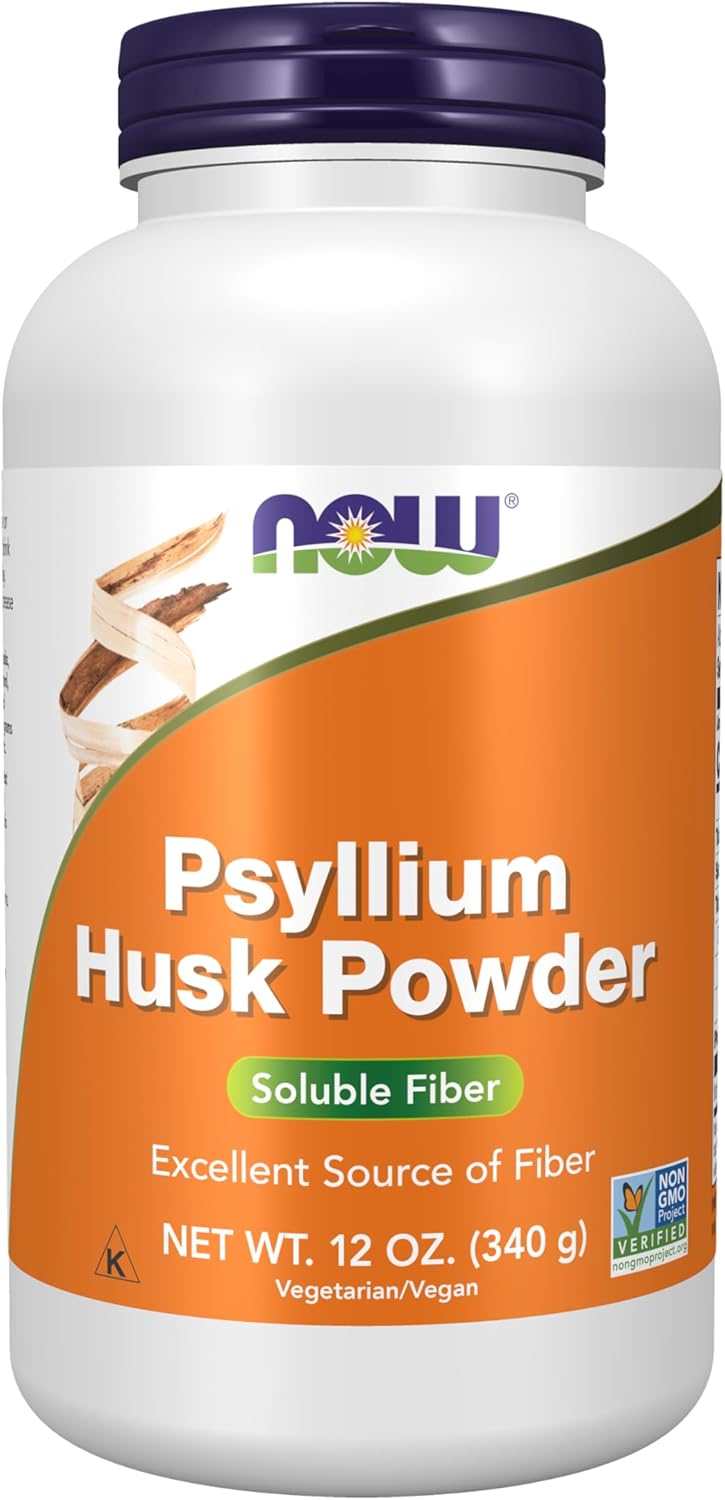
NOW Foods Psyllium Husk Powder 12oz
NOW Foods Psyllium Husk Powder 12oz. Confirmed in stock.
- Amazon price and availability can change over time
Affiliate link: If you buy through this link, we may earn a commission at no extra cost to you.
Buy NOW Foods Psyllium Husk Powder 12oz
Organic India Whole Husk Psyllium Fiber
Organic India Whole Husk Psyllium Fiber. Confirmed in stock.
- Amazon price and availability can change over time
Affiliate link: If you buy through this link, we may earn a commission at no extra cost to you.
Buy Organic India Whole Husk Psyllium FiberCompare supplements with the same checklist we use.
Get the anti-aging supplement cheat sheet with evidence prompts, safety checks, and label-quality questions before you buy.
Comparison Table
| Category | #1 Konsyl Daily Psyllium Fiber Powder 19oz Konsyl | #2 Metamucil 4-in-1 Psyllium Husk Sugar-Free 180 Dose Metamucil | #3 NOW Foods Psyllium Husk Powder 12oz NOW Foods | #4 Organic India Whole Husk Psyllium Fiber Organic India |
|---|---|---|---|---|
| Score | 8.8/10 | 9/10 | 8.8/10 | 8.8/10 |
| Best For | ||||
| Pros |
| |||
| Cons |
|
|
|
|
What to Know About Psyllium for Constipation
Psyllium husk is one of the most clinically studied soluble fibers for managing chronic and occasional constipation. Unlike stimulant laxatives that work through intestinal contractions—often causing cramping and urgency—psyllium works by absorbing water in the digestive tract, softening stool naturally and promoting regular bowel movements without the harsh side effects. If you're tired of feeling bloated, irregular, or relying on medications that leave you uncomfortable, psyllium offers a gentler, plant-based alternative backed by decades of clinical use. We've ranked four top products based on purity, psyllium dose per serving, third-party testing, and real user feedback to help you find the right option for your routine.
This content is for educational purposes only and is not medical advice. These statements have not been evaluated by the FDA. This product is not intended to diagnose, treat, cure, or prevent any disease.
Key Benefits of Psyllium for Constipation
Increases stool bulk and water retention naturally—no harsh intestinal contractions or cramping like stimulant laxatives
Gentle, predictable bowel response typically within 24–72 hours, supporting daily consistency without urgency
Supports healthy cholesterol levels and may improve metabolic markers alongside constipation relief
How Psyllium Supports Constipation
Psyllium is a soluble fiber that forms a viscous gel when mixed with water in the digestive tract. This gel absorbs moisture in the colon, increasing stool bulk and water content—making bowel movements easier to pass without straining. The mechanism is fundamentally different from stimulant laxatives (senna, bisacodyl), which trigger muscular contractions; psyllium works with your body's natural peristalsis rather than overriding it. This gentler action is why it's especially useful for people with sensitive systems or those who've experienced laxative dependency. The fermentation of psyllium by colonic bacteria also produces short-chain fatty acids that may support gut barrier function and microbiota diversity.
What to Look For When Buying Psyllium
Choosing the right psyllium comes down to three factors: purity, dose, and personal preference. If you want the most clinically aligned product at the lowest cost, NOW Foods offers a pure powder, but product-to-trial comparisons require matching the labeled 9g husk serving to the intervention quantity rather than assuming the products are identical. If taste and convenience matter more than price, Metamucil's orange flavor and decades of branded use make it the easiest option for consistent daily intake. For absolute purity without any additives, Konsyl is the gastroenterologist choice. And if organic sourcing is non-negotiable, Organic India offers that without sacrificing efficacy. Dose matters: most clinical trials supporting psyllium for constipation used 5–10g daily, typically split into one or two servings. The current NOW Foods label provides 9g psyllium seed husk per level tablespoon and identifies 7g as dietary fiber; use the 9g husk amount—not the fiber subtotal—when comparing with intervention doses. Organic India has its own separate label. Metamucil provides 6.4g per serving, still within the therapeutic range. All four products work—the real difference is in convenience, taste, and ingredient philosophy. A practical buying tip: start with whichever appeals to you most, but commit to 2–4 weeks of consistent daily use before evaluating results. Psyllium requires adequate hydration (at least 8 glasses of water daily) to work effectively. If you're new to fiber supplementation, start at the lower end of the dose range—3–5g daily—and increase gradually over a week to minimize bloating. You should notice improved regularity and softer, easier-to-pass stools within 3–5 days. Check your current medications: psyllium can slightly delay absorption of some medications (diabetes drugs, levothyroxine, digoxin) if taken at the same time. Separate psyllium from medications by at least 2 hours. Finally, avoid buying bulk quantities unless you've confirmed a product works for you—storage life is 1–2 years, and individual response varies.
Dosage Guidance
Always follow your healthcare provider's recommendations. Dosages vary by individual health status, age, and goals.
Common Psyllium Complaints (And How to Avoid Them)
Based on analysis of thousands of customer reviews across Psyllium products.
"I started psyllium and felt bloated for a week—does that mean it's not working?"
Bloating in the first 5–7 days is normal and doesn't mean the product is failing. Psyllium increases bulk in your digestive tract, and your system needs time to adapt. This resolves completely as your body adjusts, especially if you started with a lower dose and increased gradually. Ensure you're drinking 8+ glasses of water daily, which significantly reduces bloating. Most users report the bloating subsides by day 7–10.
"I bought unflavored psyllium and hate the earthy taste—I'm considering giving up."
Don't stop psyllium because of taste—switch to Metamucil's orange flavor instead. Mixed into juice, yogurt, or a smoothie, unflavored psyllium becomes nearly imperceptible. If you prefer pure psyllium without sweeteners, mixing it into applesauce, oatmeal, or soup makes it undetectable. Or simply stir it into water with a lemon wedge or a dash of stevia. Taste preference shouldn't prevent you from using a product that works.
"Psyllium isn't working after 2 weeks—I'm still constipated."
This suggests either insufficient hydration, too low a dose, or an underlying condition requiring medical attention. First, audit your water intake—aim for 2–3 liters daily. Second, increase your dose to the full 7g per serving if you've been using half-doses. If you're already at full dose with adequate hydration and still have no results after 3 weeks, contact your healthcare provider. Persistent constipation despite adequate fiber can indicate thyroid issues, medication side effects, or structural problems needing professional evaluation.
Safety & Interactions
- Pregnancy and breastfeeding: Consult your healthcare provider before taking this supplement during pregnancy or while nursing. The safety of supplemental doses beyond dietary intake has not been established in pregnant or lactating women.
- Blood thinners: If you take blood-thinning medications (e.g., warfarin, apixaban, rivaroxaban, clopidogrel, or high-dose aspirin), consult your healthcare provider BEFORE starting this supplement, as it may have additive antiplatelet or anticoagulant effects.
- Kidney disease: If you have chronic kidney disease (CKD) or any significant kidney impairment, consult your healthcare provider before taking this supplement. Some supplements can accumulate to dangerous levels when kidney function is reduced.
- Gout: Individuals with gout should consult their healthcare provider before starting this supplement. Certain supplements (e.g., collagen, fish oil, niacin) may affect uric acid levels or trigger flares in susceptible individuals.
- Fish allergy - capsule source: Some softgel capsules use fish-derived gelatin even when the active supplement is not fish-derived. If you have a confirmed fish or shellfish allergy, verify the capsule source on the label or check with the manufacturer. Vegan capsules (vegetable cellulose) are widely available alternatives.
- Beef / alpha-gal allergy - capsule source: Many softgel and two-piece capsules use bovine gelatin. If you have a confirmed beef allergy or alpha-gal syndrome (mammalian meat allergy), check capsule sources on the label. Vegan capsules (vegetable cellulose) and HPMC capsules are alternatives.
""From a registered dietitian perspective, all four ranked products deliver effective, clinically supported psyllium husk. The choice among them depends on your priorities: budget, taste preferences, or ingredient philosophy. What matters most is consistent daily use with adequate water intake—far more critical than which brand you choose."
— Angelique Nicole R. Villegas, RND, Registered Nutritionist Dietitian · PRC Philippines · License #0023950
Frequently Asked Questions
Citations & Research
This page references peer-reviewed research indexed on PubMed/NCBI. Citations are provided for transparency. Always consult a qualified healthcare professional before making any medical decisions.
- [1]van der Schoot A, Drysdale C, Whelan K et al. “The Effect of Fiber Supplementation on Chronic Constipation in Adults: An Updated Systematic Review and Meta-Analysis of Randomized Controlled Trials.” The American Journal of Clinical Nutrition, 2022. Multiple RCTs analyzed. doi:10.1093/ajcn/nqac184PMID 35816465 ↗
- [2]Lai H, Li Y, He Y et al. “Effects of dietary fibers or probiotics on functional constipation symptoms and roles of gut microbiota: a double-blinded randomized placebo trial.” Gut Microbes, 2023. Randomized placebo-controlled trial. doi:10.1080/19490976.2023.2197837PMID 37078654 ↗
- [6]Jalanka J, Major G, Murray K et al. “The Effect of Psyllium Husk on Intestinal Microbiota in Constipated Patients and Healthy Controls.” International Journal of Molecular Sciences, 2019. Controlled intervention study. doi:10.3390/ijms20020433PMID 30669509 ↗
- [7]Lambeau KV, McRorie JW Jr. “Fiber supplements and clinically proven health benefits: How to recognize and recommend an effective fiber therapy.” Journal of the American Association of Nurse Practitioners, 2017. Evidence review. doi:10.1002/2327-6924.12447PMID 28252255 ↗
- [8]Ashraf W, Park F, Lof J, Quigley EM. “Effects of psyllium therapy on stool characteristics, colon transit and anorectal function in chronic idiopathic constipation.” Alimentary pharmacology & therapeutics, 1995. Randomized controlled trial. doi:10.1111/j.1365-2036.1995.tb00417.xPMID 8824651 ↗
- [9]McRorie JW Jr, Fahey GC Jr, Gibb RD, Chey WD. “Laxative effects of wheat bran and psyllium: Resolving enduring misconceptions about fiber in treatment guidelines for chronic idiopathic constipation.” Journal of the American Association of Nurse Practitioners, 2020. Evidence review. doi:10.1097/JXX.0000000000000346PMID 31764399 ↗
Ready to Try Psyllium?
Our top pick for constipation. Third-party tested, highly reviewed.
Affiliate link: If you buy through this link, we may earn a commission at no extra cost to you.
Shop #1 Pick — Konsyl Daily Psyllium Fiber Powder 19ozContinue exploring
- everything we know about Psyllium HuskSupplement overview
- see all constipation relief supplements we coverGoal overview
- our Magnesium guide for constipation reliefAlternative supplement
- best Senna for constipation reliefAlternative supplement
- clinical notes on Psyllium Husk and digestive healthSame supplement, different goal
- evidence notes on Probiotics for digestive healthEditor pick
- which form is right for youCompare options
Get the evidence-graded supplement cheat sheet.
Evidence prompts, safety checks, and label-quality questions before you buy — free, straight to your inbox.
No spam. Unsubscribe anytime.