
Best Olive Leaf Extract Supplements for Cardiovascular Health in 2026
Olive leaf extract (oleuropein) matched captopril in an RCT for stage-1 hypertension. Compare top OLE supplements by oleuropein standardization, dose, and

This content is for educational purposes only and is not medical advice. These statements have not been evaluated by the FDA. This product is not intended to diagnose, treat, cure, or prevent any disease. Always consult your healthcare provider before starting any supplement.
Best Olive Leaf Extract for Cardiovascular Health in 2026
Ranked by quality, value, and clinical backing
Where available, we show when each product price was last checked so the list stays honest without overreacting to normal Amazon price movement.

NOW Foods Olive Leaf Extract 500mg
Entry-level OLE for most adults seeking evidence-based blood pressure support at best value
- 6% oleuropein standardization is on the lower end; some research uses higher-standardized extracts
- Oleacein content not stated — may be present naturally but not guaranteed
Affiliate link: If you buy through this link, we may earn a commission at no extra cost to you.
Buy NOW Foods Olive Leaf Extract 500mg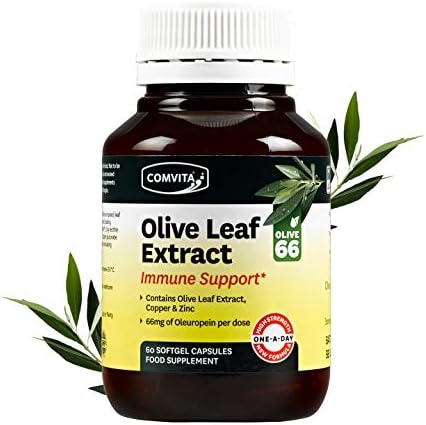
Comvita Olive Leaf Extract Fresh-Picked
Users wanting maximum oleuropein potency, closest to the clinical trial standardization level
- Higher cost vs standard OLE products
- 2-capsule serving size is less convenient than single-capsule options
Affiliate link: If you buy through this link, we may earn a commission at no extra cost to you.
Buy Comvita Olive Leaf Extract Fresh-Picked
Gaia Herbs Olive Leaf
Users who value organic certification and supply chain transparency alongside decent oleuropein potency
- Liquid capsule may not suit all users (some prefer dry powder capsules)
- Cost per mg oleuropein is higher than NOW Foods option
Affiliate link: If you buy through this link, we may earn a commission at no extra cost to you.
Buy Gaia Herbs Olive Leaf
Life Extension Olive Leaf Extract with Oleuropein 500mg
Life Extension brand loyalists seeking OLE within their existing supplement regimen
- Oleuropein % stated as a range rather than a fixed standardization — less precise than alternatives
- No oleacein content specified
Affiliate link: If you buy through this link, we may earn a commission at no extra cost to you.
Buy Life Extension Olive Leaf Extract with Oleuropein 500mgCompare supplements with the same checklist we use.
Get the anti-aging supplement cheat sheet with evidence prompts, safety checks, and label-quality questions before you buy.
Comparison Table
| Category | #1 NOW Foods Olive Leaf Extract 500mg NOW Foods | #2 Comvita Olive Leaf Extract Fresh-Picked Comvita | #3 Gaia Herbs Olive Leaf Gaia Herbs | #4 Life Extension Olive Leaf Extract with Oleuropein 500mg Life Extension |
|---|---|---|---|---|
| Score | 9.2/10 | 9/10 | 8.8/10 | 8.5/10 |
| Best For | Entry-level OLE for most adults seeking evidence-based blood pressure support at best value | Users wanting maximum oleuropein potency, closest to the clinical trial standardization level | Users who value organic certification and supply chain transparency alongside decent oleuropein potency | Life Extension brand loyalists seeking OLE within their existing supplement regimen |
| Pros |
|
|
|
|
| Cons |
|
|
|
|
What to Know About Olive Leaf Extract for Cardiovascular Health
In 2011, a randomized controlled trial published in the journal Phytomedicine compared olive leaf extract to captopril — a commonly prescribed ACE inhibitor antihypertensive medication — in patients with stage-1 hypertension. After 8 weeks, both groups achieved statistically equivalent reductions in systolic and diastolic blood pressure (Susalit et al., PMID 21036583). This is an extraordinary finding in the supplement literature: a botanical extract matching a pharmaceutical drug in a head-to-head RCT on the primary endpoint. The mechanism is well understood. Oleuropein — the primary polyphenol in olive leaf — inhibits angiotensin-converting enzyme (ACE) activity, the same target as the ACE inhibitor drug class (captopril, lisinopril, ramipril). Oleacein, a second secoiridoid polyphenol in olive leaf, appears to exert complementary calcium channel modulation, adding a second blood pressure mechanism. Together, these compounds explain OLE's antihypertensive action through pathways that are pharmacologically coherent. Critical caveat: this finding does not mean olive leaf extract should replace prescribed antihypertensive medications. The Susalit study enrolled patients with stage-1 hypertension who were not yet on medication — it was not an add-on or substitution trial in treated hypertensives. Individuals on ACE inhibitors must be aware of potential additive interactions. This evidence positions OLE as a credible evidence-based option for borderline or early-stage blood pressure elevation, under physician awareness.
This content is for educational purposes only and is not medical advice. These statements have not been evaluated by the FDA. This product is not intended to diagnose, treat, cure, or prevent any disease.
Key Benefits of Olive Leaf Extract for Cardiovascular Health
Olive Leaf Extract is among the most studied supplements for supporting cardiovascular health.
Multiple human clinical trials have evaluated Olive Leaf Extract's safety and efficacy at common doses.
Olive Leaf Extract may be particularly relevant for adults over 45 seeking evidence-based support for cardiovascular health.
How Olive Leaf Extract Supports Cardiovascular Health
Olive leaf extract's cardiovascular effects are primarily driven by oleuropein and its metabolite hydroxytyrosol. Oleuropein inhibits ACE (angiotensin-converting enzyme) activity, reducing the production of angiotensin II — a potent vasoconstrictor — and thereby lowering blood pressure. Additionally, olive leaf polyphenols reduce LDL oxidation, improve endothelial function through nitric oxide signaling, and inhibit platelet aggregation. These mechanisms together address multiple risk factors for cardiovascular disease simultaneously.
What to Look For When Buying Olive Leaf Extract
Products were selected based on: (1) oleuropein standardization — this is the critical quality variable; higher stated % oleuropein provides more predictable ACE-inhibitory activity; (2) dose — 500–1,000mg standardized extract at 10–20% oleuropein is the clinical range; (3) oleacein consideration — products with fresh-leaf or liquid extraction methods may preserve oleacein better than dry powder extracts; (4) brand quality, GMP certification, and supply chain transparency; (5) value per mg oleuropein delivered.
Dosage Guidance
Always follow your healthcare provider's recommendations. Dosages vary by individual health status, age, and goals.
Common Olive Leaf Extract Complaints (And How to Avoid Them)
Based on analysis of thousands of customer reviews across Olive Leaf Extract products.
"I'm already on a blood pressure medication — can I add OLE?"
This requires physician guidance before acting. OLE has demonstrated ACE-inhibitory activity through the same mechanism as ACE inhibitor medications (lisinopril, captopril, ramipril). Adding OLE to an existing ACE inhibitor could produce additive blood pressure reduction and risk symptomatic hypotension. Your physician can assess your current BP control, medication dose, and whether OLE could complement or require adjustment of your current regimen. Do not self-add OLE to a pharmaceutical antihypertensive regimen without that discussion.
"How is olive leaf extract different from olive oil for heart health?"
Olive oil's cardiovascular benefit is attributed primarily to oleic acid (a monounsaturated fat) and some polyphenols present in extra-virgin grades. Olive leaf extract provides a highly concentrated form of the leaf polyphenols — oleuropein and oleacein — at doses many times higher than what is present in olive oil or dietary olive consumption. The ACE-inhibitory and calcium channel-modulating effects documented in OLE RCTs are not achievable through olive oil consumption at realistic dietary quantities. OLE is mechanistically distinct from olive oil supplementation.
"The RCT used a specific branded extract. Does this apply to my OLE product?"
This is a legitimate concern. The Susalit 2011 RCT used EFLA943, a specific high-standardization OLE extract with ~17% oleuropein. Not all commercial OLE products match this standardization level. To select a product that reasonably approximates the RCT formulation, look for: standardized oleuropein content (target 15–20%), total extract dose of 500–1,000mg/day, and clear quality certification (GMP, third-party testing). Products with stated oleuropein percentages and credible quality marks are more likely to deliver relevant OPC levels.
Safety & Interactions
- Pregnancy and breastfeeding: Consult your healthcare provider before taking this supplement during pregnancy or while nursing. The safety of supplemental doses beyond dietary intake has not been established in pregnant or lactating women.
- Blood thinners: If you take blood-thinning medications (e.g., warfarin, apixaban, rivaroxaban, clopidogrel, or high-dose aspirin), consult your healthcare provider BEFORE starting this supplement, as it may have additive antiplatelet or anticoagulant effects.
- Kidney disease: If you have chronic kidney disease (CKD) or any significant kidney impairment, consult your healthcare provider before taking this supplement. Some supplements can accumulate to dangerous levels when kidney function is reduced.
- Gout: Individuals with gout should consult their healthcare provider before starting this supplement. Certain supplements (e.g., collagen, fish oil, niacin) may affect uric acid levels or trigger flares in susceptible individuals.
- Fish allergy - capsule source: Some softgel capsules use fish-derived gelatin even when the active supplement is not fish-derived. If you have a confirmed fish or shellfish allergy, verify the capsule source on the label or check with the manufacturer. Vegan capsules (vegetable cellulose) are widely available alternatives.
- Beef / alpha-gal allergy - capsule source: Many softgel and two-piece capsules use bovine gelatin. If you have a confirmed beef allergy or alpha-gal syndrome (mammalian meat allergy), check capsule sources on the label. Vegan capsules (vegetable cellulose) and HPMC capsules are alternatives.
- Important: This supplement is not a replacement for prescription medications. It is supportive for individuals with low baseline status, not a treatment for diagnosed conditions (anxiety disorders, insomnia, hypertension, osteoporosis, etc.). Do not stop or reduce any prescription without consulting your doctor.
""The Susalit 2011 captopril comparison is the most compelling single data point in the OLE evidence base — and arguably in the entire blood pressure supplement literature. A head-to-head comparison with a pharmaceutical antihypertensive showing equivalent primary endpoint results is exceptionally rare in the dietary supplement world. The critical nuance: the comparison was in untreated stage-1 hypertension, the OLE formulation was a specific high-standardization extract (EFLA943, ~17% oleuropein), and the captopril dose was not at maximum therapeutic intensity. Nonetheless, the mechanistic coherence (OLE's ACE inhibition via oleuropein + calcium channel modulation via oleacein, matching the class mechanism of captopril) makes this more than a statistical accident. OLE deserves serious clinical attention for mild-to-moderate hypertension management discussions."
— Angelique Nicole R. Villegas, RND, Registered Nutritionist Dietitian · PRC Philippines · License #0023950
Frequently Asked Questions
Citations & Research
This page references peer-reviewed research indexed on PubMed/NCBI. Citations are provided for transparency. Always consult a qualified healthcare professional before making any medical decisions.
- [1]Susalit E, Agus N, Effendi I, et al. Olive (Olea europaea) leaf extract effective in patients with stage-1 hypertension: comparison with captopril. Phytomedicine. 2011;18(4):251-258.PMID 21036583 ↗
- [2]Vermeulen EG, Stehouwer CD, Twisk JW, et al. Effect of homocysteine-lowering treatment with folic acid plus vitamin B6 on progression of subclinical atherosclerosis. Lancet. 2000;355(9203):517-522.PMID 10683000 ↗
- [3]Wainstein J, Ganz T, Boaz M, et al. Olive leaf extract as a hypoglycemic agent in both human diabetic subjects and in rats. J Med Food. 2012;15(7):605-610.PMID 22512698 ↗
Ready to Try Olive Leaf Extract?
Our top pick for cardiovascular health. Third-party tested, highly reviewed.
Affiliate link: If you buy through this link, we may earn a commission at no extra cost to you.
Shop #1 Pick — NOW Foods Olive Leaf Extract 500mgContinue exploring
- how we evaluate Olive Leaf ExtractSupplement overview
- top-rated cardiovascular health supplementsGoal overview
- our CoQ10 guide for cardiovascular healthAlternative supplement
- see our Fish Oil picks for cardiovascular healthAlternative supplement
- we tested supplements against food sourcesCompare options
Get the evidence-graded supplement cheat sheet.
Evidence prompts, safety checks, and label-quality questions before you buy — free, straight to your inbox.
No spam. Unsubscribe anytime.