
NMN for Perimenopause: Evidence-Based Picks for Women 40–55
NMN for perimenopause fatigue, sleep, and brain fog. Evidence-based product picks for women 40–55, with honest dosing guidance and YMYL safety notes.

This content is for educational purposes only and is not medical advice. These statements have not been evaluated by the FDA. This product is not intended to diagnose, treat, cure, or prevent any disease. Always consult your healthcare provider before starting any supplement.
Best NMN for Perimenopause Support in 2026
Ranked by quality, value, and clinical backing
Where available, we show when each product price was last checked so the list stays honest without overreacting to normal Amazon price movement.
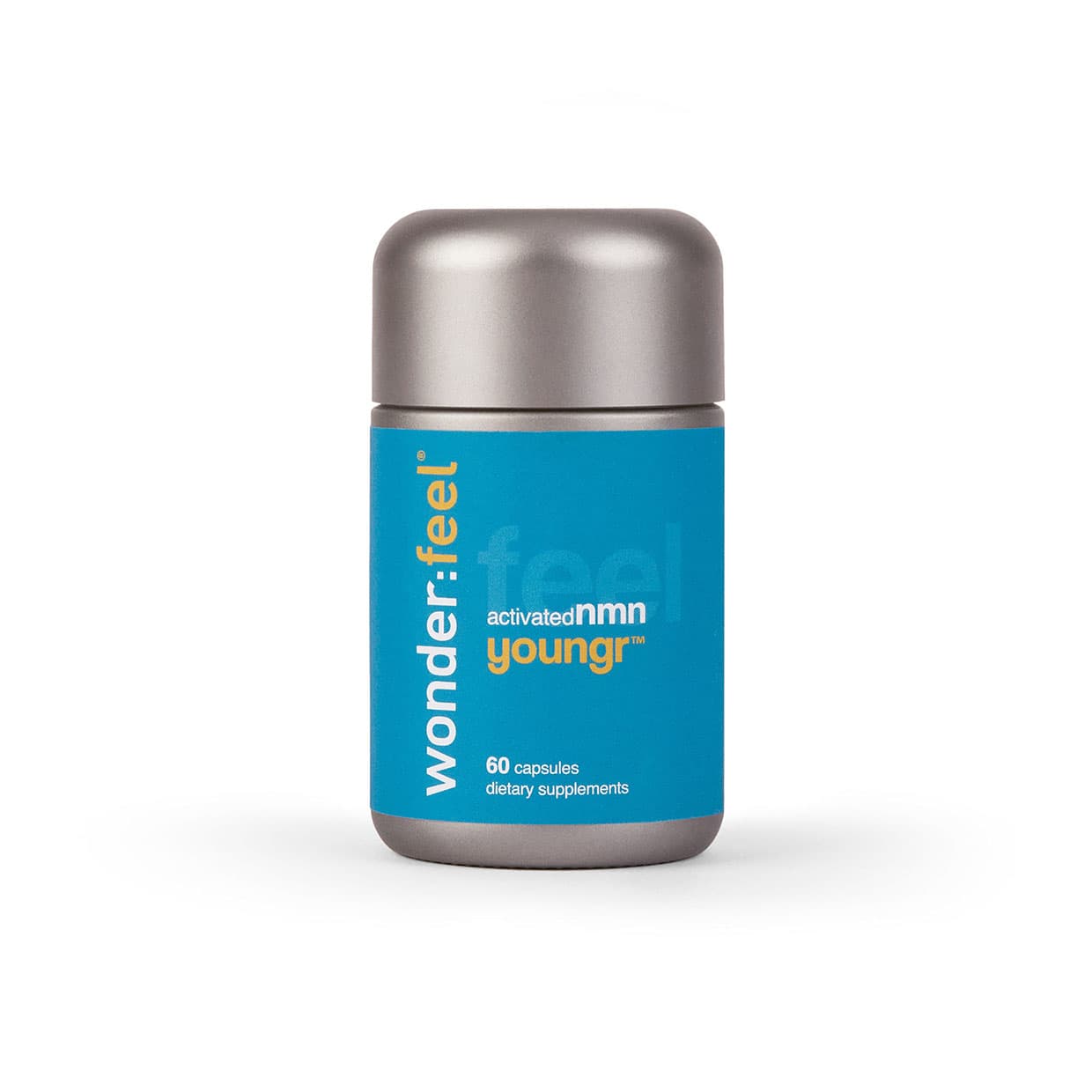
Wonderfeel Youngr NMN
Our editorial pick for perimenopause: a multi-target NMN stack at a clinically meaningful dose (900 mg NMN per serving) combined with trans-resveratrol, ergothioneine, and D3 — each with independent research support for pathways relevant in midlife. MD-formulated and cGMP certified, sold direct-to-consumer for tighter quality control than typical marketplace SKUs.
- Premium price — among the most expensive options in this category
- Subscription-first pricing model; one-time purchase is meaningfully more expensive per bottle
- No clinical trials on this exact formulation in perimenopausal women — claims are mechanistic, not RCT-confirmed for this product
Affiliate link: If you buy through this link, we may earn a commission at no extra cost to you.
Buy Wonderfeel Youngr NMN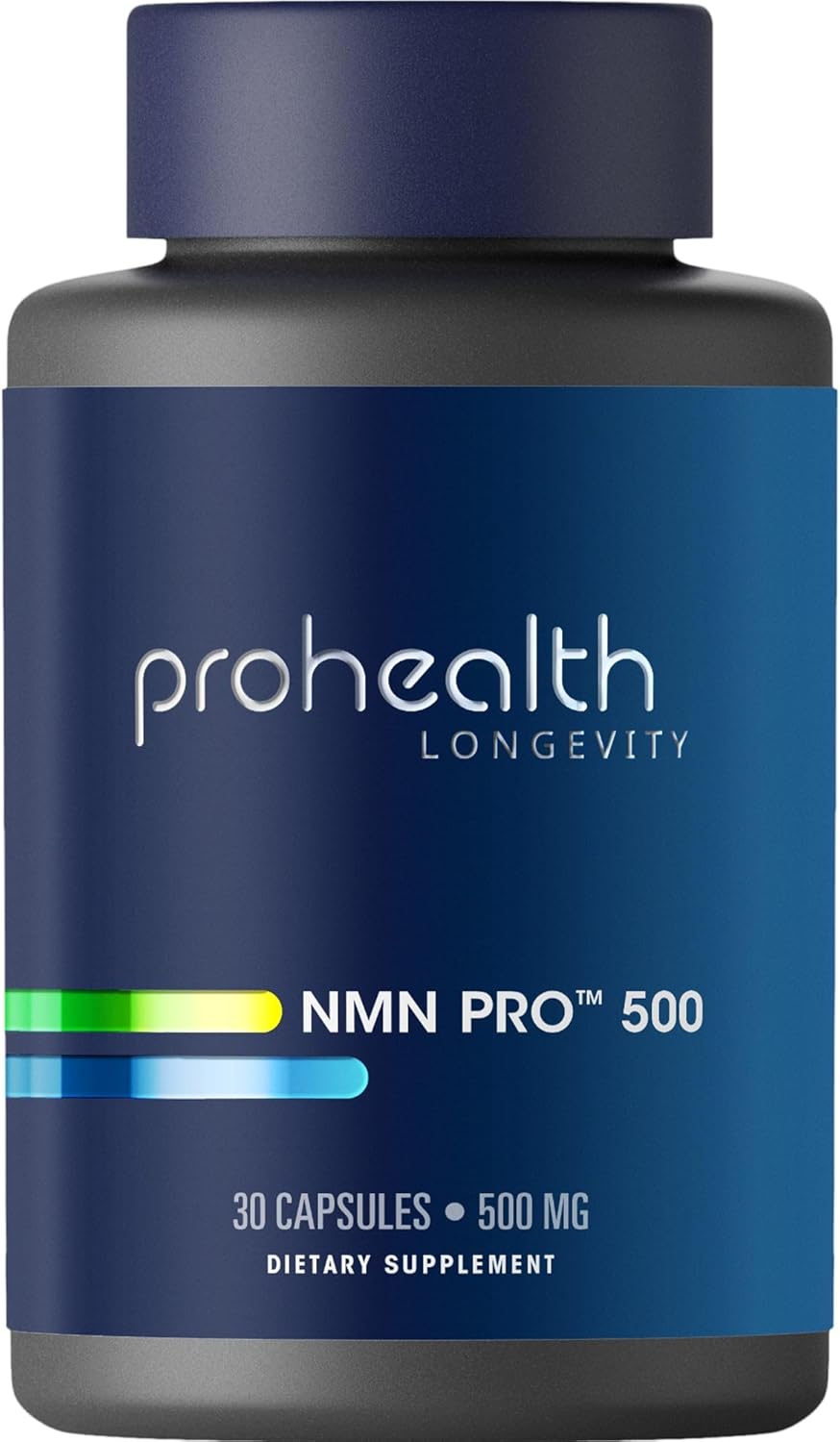
ProHealth NMN Pro 1000
The most dose-flexible single-ingredient NMN on this list, using verified Uthever NMN. A strong pick for perimenopausal women who want to titrate dose deliberately over an 8–12 week trial without paying for co-factors they may already be supplementing separately.
- Single-ingredient capsule with no co-factor support (no resveratrol, ergothioneine, or D3)
Affiliate link: If you buy through this link, we may earn a commission at no extra cost to you.
Buy ProHealth NMN Pro 1000
Tru Niagen NAD+ (NR 300mg)
The most clinically validated NAD+ precursor product available, with dual NSF + Informed Sport certification and the deepest human safety record in the category. A defensible NR-route choice for perimenopausal women who weigh the 2022 FDA NMN advisory heavily.
- Uses NR not NMN — an extra metabolic step before NAD+ conversion
- 300 mg is on the lower end of NR trial protocols (some have used up to 1,000 mg)
- Higher per-serving price than NR formulations sold by other brands
Affiliate link: If you buy through this link, we may earn a commission at no extra cost to you.
Buy Tru Niagen NAD+ (NR 300mg)
Jarrow Formulas NMN+ 125mg
The most affordable true NMN on this list. Useful as a low-cost tolerance test, but 125 mg is meaningfully below the dose used in the key perimenopause-relevant trial — treat it as a starter, not a long-term solution.
- 125 mg is below the 250 mg used in Yoshino 2021 — efficacy at this dose in women hasn't been directly studied
- Hitting a studied dose requires 2 tablets, which erodes the cost advantage
Affiliate link: If you buy through this link, we may earn a commission at no extra cost to you.
Buy Jarrow Formulas NMN+ 125mgCompare supplements with the same checklist we use.
Get the anti-aging supplement cheat sheet with evidence prompts, safety checks, and label-quality questions before you buy.
Comparison Table
| Category | #1 Wonderfeel Youngr NMN Wonderfeel | #2 ProHealth NMN Pro 1000 ProHealth Longevity | #3 Tru Niagen NAD+ (NR 300mg) ChromaDex / Tru Niagen | #4 Jarrow Formulas NMN+ 125mg Jarrow Formulas |
|---|---|---|---|---|
| Score | 9/10 | 8.7/10 | 8.5/10 | 7.6/10 |
| Best For | Perimenopausal women building a multi-pathway midlife stack who prefer a single multi-ingredient bottle over assembling separates, and who value direct-brand quality control | Perimenopausal women who already have a separate D3/magnesium/resveratrol stack and want pure NMN they can titrate | Perimenopausal women who want NAD+ precursor support but prefer the regulatory clarity and longer human safety record of NR over NMN | Women in early perimenopause who want a low-risk introduction to NMN before scaling up |
| Pros |
|
|
|
|
| Cons |
|
|
|
|
What to Know About NMN for Perimenopause Support
Perimenopause rarely arrives the way the brochures describe it. For most women in their early-to-mid 40s it isn't hot flashes first — it's a low-grade, hard-to-name energy crash. Sleep fragments at 3 a.m. Workouts that used to feel routine leave you flat for two days. The cognitive sharpness you took for granted now needs an extra cup of coffee, and the coffee no longer quite delivers. Hormone therapy may or may not be on the table yet. Many women in this window are looking for something to do — something evidence-informed — before classic menopause arrives. NAD+ biology is one of the more interesting threads to pull on here. Cellular NAD+ concentrations decline measurably with age in human tissue (Massudi et al., 2012, PMID 22848760), and the mitochondrial energy machinery that NAD+ supports is exactly the system that perimenopausal women most often describe as failing them. The most directly relevant clinical trial — Yoshino et al. (2021, PMID 33888596) — tested 250 mg/day of NMN in postmenopausal women and found meaningful improvements in skeletal-muscle insulin sensitivity over 10 weeks. That's not perimenopause specifically, and it's not a fatigue endpoint, but it's the closest well-designed human signal we have for this audience. This page ranks four NAD+ precursor products for women in the perimenopause window. Our editorial pick is Wonderfeel Youngr NMN — a direct-brand multi-target stack (900 mg NMN + trans-resveratrol + ergothioneine + D3) that maps to several pathways relevant in midlife, with cGMP manufacturing and a transparent ingredient rationale. We include Amazon NMN and NR alternatives across the price range so the comparison is honest. Research suggests NMN may support cellular energy metabolism, but no product on this page is a treatment for any perimenopause symptom — that distinction matters, and we'll be precise about it throughout. If your symptoms are severe, or if you're considering menopausal hormone therapy, this page is a starting point for an informed conversation with your clinician — not a substitute for one.
This content is for educational purposes only and is not medical advice. These statements have not been evaluated by the FDA. This product is not intended to diagnose, treat, cure, or prevent any disease.
Key Benefits of NMN for Perimenopause Support
May support cellular energy metabolism via NAD+ restoration — relevant to the fatigue and recovery complaints common in perimenopause (mechanistic; Yoshino 2021, Liao 2021)
Research suggests NMN may improve skeletal-muscle insulin sensitivity in postmenopausal women at 250 mg/day over 10 weeks (Yoshino 2021, PMID 33888596) — a metabolic axis that often shifts during the perimenopause transition
Generally well-tolerated in human safety studies up to 900 mg/day with no serious adverse events reported (Fukamizu 2022, PMID 36002548) — meaningful for women who are layer-cautious about new supplements
How NMN Supports Perimenopause Support
NMN (β-nicotinamide mononucleotide) is a direct biosynthetic precursor to NAD+, a coenzyme present in every cell and central to two systems that matter in perimenopause. The first is mitochondrial energy metabolism — NAD+ is required for the conversion of nutrients to ATP, and a relative decline in NAD+ availability is one plausible contributor to the fatigue and slower recovery many women describe in the transition window. The second is sirtuin signaling — a family of NAD+-dependent enzymes involved in DNA repair, inflammation regulation, and cellular stress response. Both pathways are mechanistically relevant to midlife symptom clusters, though research suggests the perimenopause-specific clinical picture is still being mapped. After oral ingestion, NMN is absorbed in the small intestine and converted to NAD+ inside cells. NR (nicotinamide riboside) takes a slightly different route — it's phosphorylated to NMN first, then converted to NAD+ — which is why both precursors appear in NAD+ products. Neither pathway is definitively superior in humans yet. Note that much of the estrogen-NAMPT-NAD+ link comes from preclinical (cell and animal) work; direct human data on this interaction during perimenopause is limited, though the mechanistic rationale is biologically plausible.
What to Look For When Buying NMN
The first decision is NMN vs NR. Both raise NAD+. NMN sits one step closer to NAD+ in the pathway, and it's the precursor used in the perimenopause-adjacent trial (Yoshino 2021, in postmenopausal women). NR has the deeper human safety record and — relevant for risk-averse buyers — a clearer regulatory status (NMN is subject to a 2022 FDA advisory that NR is not). For most perimenopausal women, either is defensible; the choice is about which evidence axis you weigh more heavily. Dose matters more than glossy packaging. The Yoshino trial used 250 mg/day. The Wonderfeel stack delivers 900 mg/day — well above trial dose, with co-factors. ProHealth's 500 mg/cap lets you hit trial dose with half a capsule. Jarrow's 125 mg is below trial dose; you'd need 2 tablets to match it. Don't assume a smaller dose at a lower price delivers proportionally less benefit — at sub-trial doses, the evidence is closer to 'unknown' than 'reduced.' Third-party testing is non-negotiable in this category. Independent lab analyses have found that some Amazon-sold NMN products underdeliver on label claims. Every product on this list is third-party tested, but the rigor varies: NSF certification (Tru Niagen) involves facility audits and ongoing testing, while a generic 'third-party tested' badge can mean a single batch certificate. Direct-brand products (Wonderfeel) have the additional advantage of tighter supply-chain control versus marketplace SKUs. Think about the stack, not the single bottle. For perimenopause specifically, NMN works alongside — not instead of — the basics: protein-forward eating, resistance training (which independently supports mitochondrial density and metabolic flexibility), sleep hygiene, and adequate magnesium and D3. If you're considering menopausal hormone therapy or already taking it, raise NMN/NR with the clinician managing that therapy before starting. Food-first note: supplementing NAD+ precursors does not replace foundational nutrition and exercise. Treat NMN as an optional adjunct, not the core of a perimenopause strategy.
Dosage Guidance
Always follow your healthcare provider's recommendations. Dosages vary by individual health status, age, and goals.
Common NMN Complaints (And How to Avoid Them)
Based on analysis of thousands of customer reviews across NMN products.
"I've been taking NMN for a month and I still feel exhausted every afternoon"
One month is below the 10-week timeline of the most relevant trial. Also, perimenopausal fatigue rarely has a single cause — sleep fragmentation, iron status, thyroid drift, and undiagnosed insulin resistance all contribute. Before increasing the NMN dose or giving up, get a basic perimenopause workup (CBC, ferritin, TSH, A1C, vitamin D) and look at sleep architecture. NMN works best on a foundation of corrected fundamentals, not as a substitute for them.
"My sleep has been fragmenting at 3 a.m. for months — will NMN fix that?"
Honestly, probably not directly. No NMN trial has used sleep architecture as a primary endpoint, and early-morning waking in perimenopause is more often driven by cortisol-progesterone-estradiol shifts than by NAD+ depletion. Magnesium glycinate at night, a consistent wake time, and (if appropriate) a conversation about progesterone with a menopause-literate clinician are more directly evidence-backed for this complaint.
"Wonderfeel is really expensive — is the multi-ingredient stack actually worth it over a single-ingredient NMN?"
It depends on what you're already taking. If you're already supplementing D3, resveratrol, and an antioxidant — adding single-ingredient NMN (ProHealth at $1.47/serving) is the more cost-efficient choice. If you're starting from scratch on the midlife stack, the bundled Wonderfeel formulation is a defensible premium for the avoided complexity. Run the numbers on the separates before defaulting to either.
Safety & Interactions
- Pregnancy and breastfeeding: Consult your healthcare provider before taking this supplement during pregnancy or while nursing. The safety of supplemental doses beyond dietary intake has not been established in pregnant or lactating women.
- Blood thinners: If you take blood-thinning medications (e.g., warfarin, apixaban, rivaroxaban, clopidogrel, or high-dose aspirin), consult your healthcare provider BEFORE starting this supplement, as it may have additive antiplatelet or anticoagulant effects.
- Kidney disease: If you have chronic kidney disease (CKD) or any significant kidney impairment, consult your healthcare provider before taking this supplement. Some supplements can accumulate to dangerous levels when kidney function is reduced.
- Gout: Individuals with gout should consult their healthcare provider before starting this supplement. Certain supplements (e.g., collagen, fish oil, niacin) may affect uric acid levels or trigger flares in susceptible individuals.
- Hormone-sensitive cancer: For women with estrogen-receptor-positive breast cancer or a strong family history, NAD+ precursors are of theoretical concern because NAD+ supports both DNA repair (which could protect cancer cells from therapy) and cellular energy metabolism (which could support proliferation). This is a theoretical mechanism, not a proven clinical interaction, but it warrants an oncologist discussion before use.
- Active cancer or chemotherapy/radiation: If you have an active cancer diagnosis or are undergoing chemotherapy or radiation, consult your oncologist before taking this supplement. Mechanisms involving DNA repair, mitochondrial energy production, cellular proliferation, or antioxidant activity could theoretically affect cancer cell survival or treatment efficacy. This is a theoretical concern based on cellular mechanisms, not a proven clinical interaction, but it warrants an oncology discussion before use.
- Regulatory status: In 2022 the FDA determined that NMN cannot be marketed as a dietary supplement because it was being investigated as a pharmaceutical. Enforcement has been inconsistent, but NMN products may face market removal. NR (nicotinamide riboside) is not subject to this restriction and has a clearer regulatory status. If regulatory stability matters to you, NR may be the safer long-term choice.
- Important: This supplement is not a replacement for prescription medications. It is supportive for individuals with low baseline status, not a treatment for diagnosed conditions (anxiety disorders, insomnia, hypertension, osteoporosis, etc.). Do not stop or reduce any prescription without consulting your doctor.
""What I'd emphasize for women in this window: NMN is a plausible adjunct, not a primary intervention. The strongest evidence for perimenopause-related fatigue, sleep, and metabolic flexibility still sits with the basics — adequate protein (1.2–1.6 g/kg), resistance training 2–3x/week, sleep regularization, and addressing magnesium and D3 status. Layer NMN on top of those if you choose to, after 8 weeks of consistent basics. And if symptoms are interfering with daily function, the most evidence-backed conversation is with a clinician about menopausal hormone therapy — not a supplement protocol."
— Angelique Nicole R. Villegas, RND, Registered Nutritionist Dietitian · PRC Philippines · License #0023950
Frequently Asked Questions
Citations & Research
This page references peer-reviewed research indexed on PubMed/NCBI. Citations are provided for transparency. Always consult a qualified healthcare professional before making any medical decisions.
- [1]Yoshino M, Yoshino J, Kayser BD et al. “Nicotinamide mononucleotide increases muscle insulin sensitivity in prediabetic women.” Science, 2021. 25. doi:10.1126/science.abe9985PMID 33888596 ↗
- [2]Liao B, Zhao Y, Wang D et al. “Nicotinamide mononucleotide supplementation enhances aerobic capacity in amateur runners: a randomized, double-blind study.” Journal of the International Society of Sports Nutrition, 2021. 48. doi:10.1186/s12970-021-00442-4PMID 34238308 ↗
- [3]Fukamizu Y, Uchida Y, Shigekawa A et al. “Safety evaluation of β-nicotinamide mononucleotide oral administration in healthy adult men and women.” Scientific reports, 2022. doi:10.1038/s41598-022-18272-yPMID 36002548 ↗
- [4]Massudi H, Grant R, Braidy N, Guest J, Farnsworth B, Guillemin GJ. “Age-associated changes in oxidative stress and NAD+ metabolism in human tissue.” PLoS One, 2012. 49. doi:10.1371/journal.pone.0042357PMID 22848760 ↗
- [5]Irie J, Inagaki E, Fujita M et al. “Effect of oral administration of nicotinamide mononucleotide on clinical parameters and nicotinamide metabolite levels in healthy Japanese men.” Endocrine Journal, 2020. 10. doi:10.1507/endocrj.EJ19-0313PMID 31685720 ↗
Ready to Try NMN?
Our top pick for perimenopause support. Third-party tested, highly reviewed.
Affiliate link: If you buy through this link, we may earn a commission at no extra cost to you.
Shop #1 Pick — Wonderfeel Youngr NMNContinue exploring
- our NMN guideSupplement overview
- see all perimenopause support supplements we coverGoal overview
- best Ashwagandha for perimenopause supportAlternative supplement
- clinical notes on Black Cohosh and perimenopause supportAlternative supplement
- how we rate NMN for anti agingSame supplement, different goal
- NMN — an option to consider for women's healthEditor pick
- NMN evidence for energyEditor pick
- see our NMN picks for brain healthEditor pick
- see Magnesium evidence for menopause supportEditor pick
- how Black Cohosh supports hot flashesEditor pick
- we tested nmn against nrCompare options
Get the evidence-graded supplement cheat sheet.
Evidence prompts, safety checks, and label-quality questions before you buy — free, straight to your inbox.
No spam. Unsubscribe anytime.