
Best NMN Supplements for Cellular Aging (2026): Ranked by Evidence, Purity & Value
NAD+ declines 50% between ages 40 and 60. NMN restores it in human studies. We rank the best forms by dose, bioavailability, and third-party certification.

This content is for educational purposes only and is not medical advice. These statements have not been evaluated by the FDA. This product is not intended to diagnose, treat, cure, or prevent any disease. Always consult your healthcare provider before starting any supplement.
Best NMN for Cellular Aging in 2026
Ranked by quality, value, and clinical backing
Where available, we show when each product price was last checked so the list stays honest without overreacting to normal Amazon price movement.
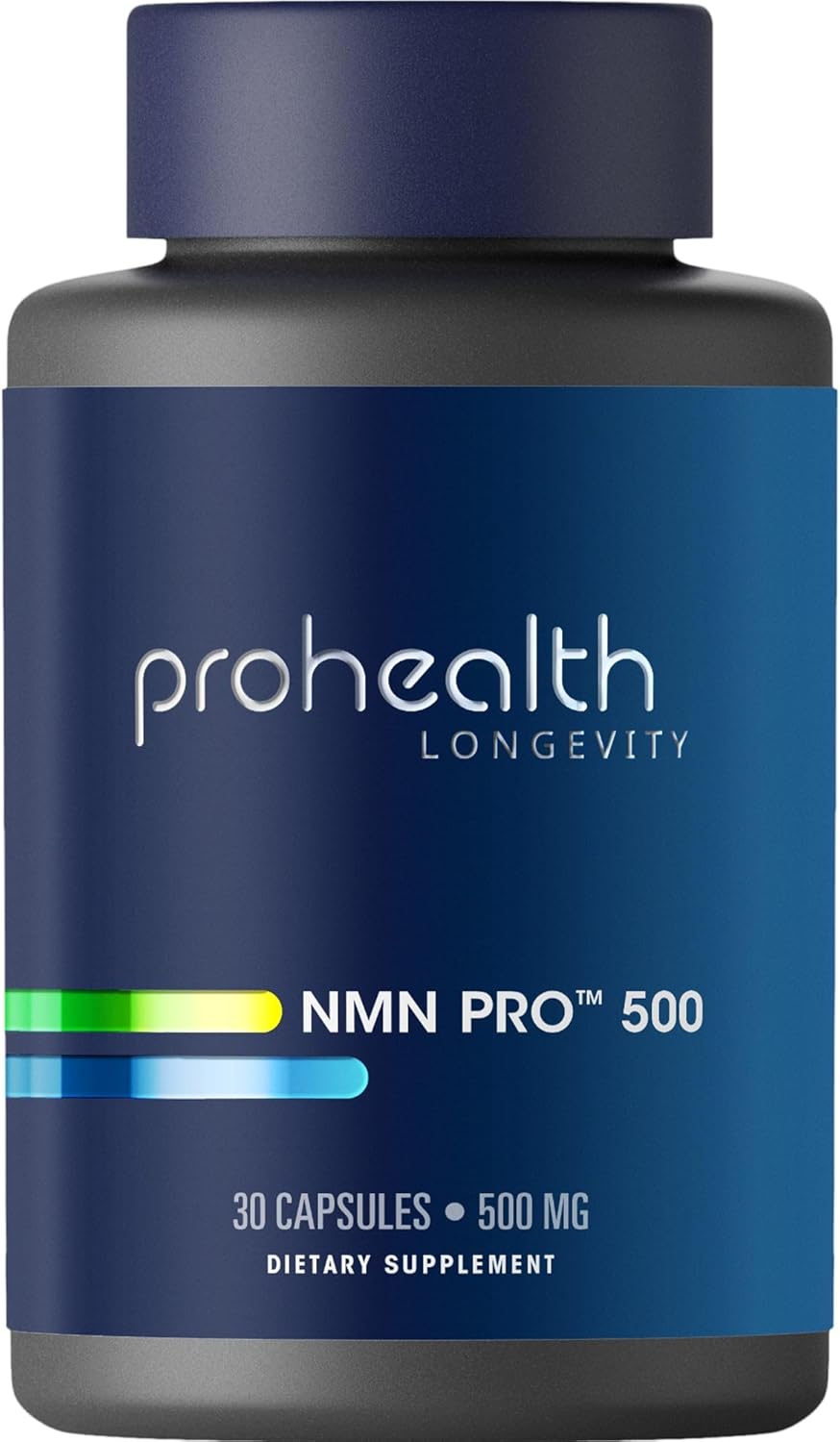
ProHealth NMN Pro 1000
The most credible pure-NMN option for cellular aging protocols, combining a 500mg clinically relevant dose, Uthever's pharmaceutical-grade NMN form, and rigorous third-party testing — though the price reflects all of that.
Affiliate link: If you buy through this link, we may earn a commission at no extra cost to you.
Buy ProHealth NMN Pro 1000
Tru Niagen NAD+ (NR 300mg)
Not NMN, but the most human-trial-validated NAD+ precursor on the market — if evidence depth matters more to you than molecule preference, Tru Niagen has the strongest clinical pedigree in this entire category.
- This is NR, not NMN — a meaningful distinction for consumers specifically targeting NMN's proposed tissue-specific conversion advantages, even if those advantages remain unconfirmed in head-to-head human trials
- 300mg NR is an evidence-supported dose but sits at the lower end for adults with significant age-related NAD+ decline; some researchers and clinicians use 500mg–1000mg NR daily in practice
Affiliate link: If you buy through this link, we may earn a commission at no extra cost to you.
Buy Tru Niagen NAD+ (NR 300mg)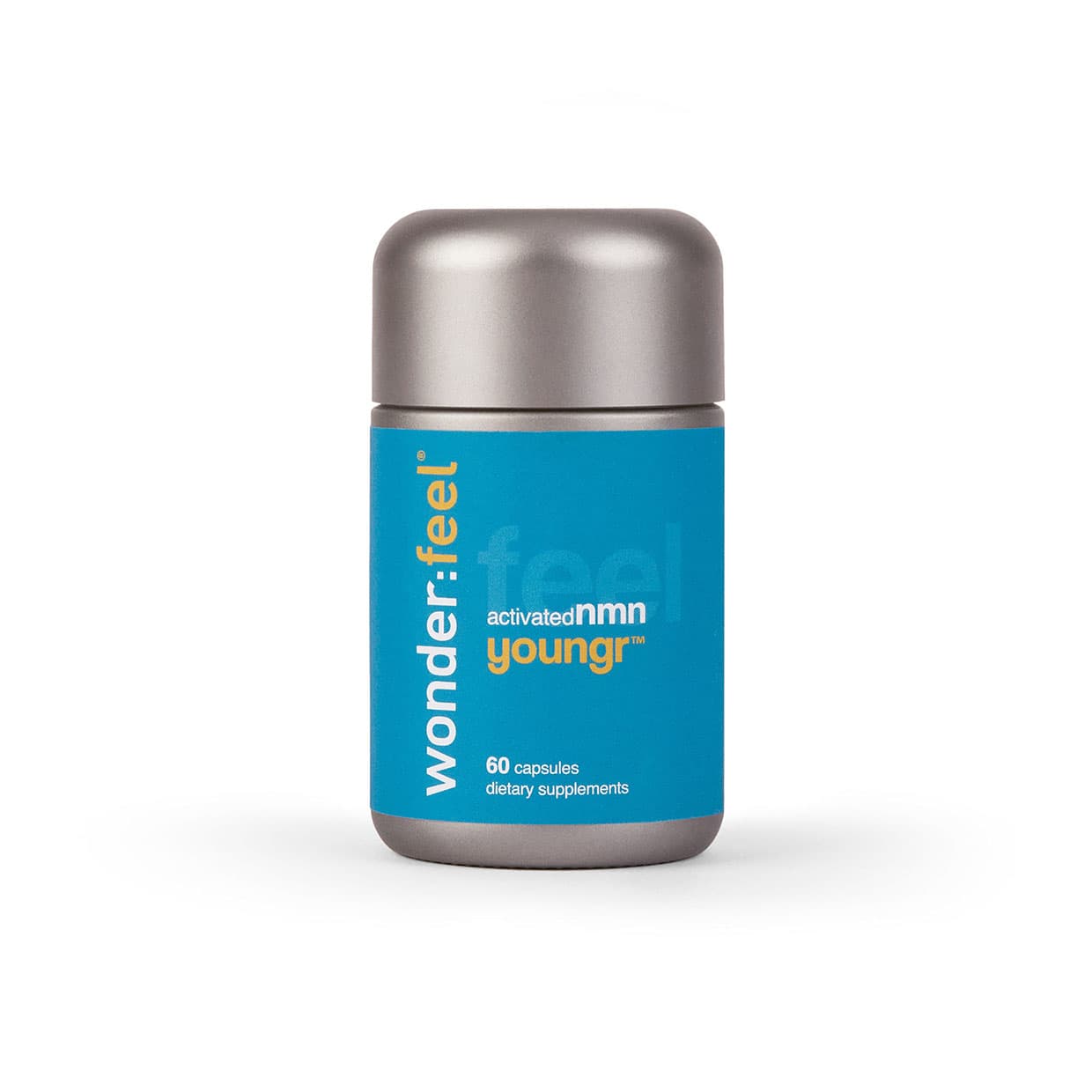
Wonderfeel Youngr NMN
A 'kitchen-sink' cellular-maintenance formula: 900mg NMN plus antioxidant co-factors (ergothioneine, trans-resveratrol) and Vitamin D3. Worth considering when comprehensive cellular support is the priority over single-ingredient simplicity.
- Premium price
- Subscription-first pricing model
- Smaller review base (357) than mass-market NMN competitors
Affiliate link: If you buy through this link, we may earn a commission at no extra cost to you.
Buy Wonderfeel Youngr NMN
Renue By Science NMN Sublingual Powder
A genuinely interesting formulation approach at a competitive price point — the sublingual delivery rationale is scientifically plausible, though the bioavailability advantage over capsules hasn't been confirmed in direct human comparison trials.
- The sublingual bioavailability advantage is mechanistically plausible but not confirmed in head-to-head human pharmacokinetic trials vs. capsule NMN — you're paying for a theoretical benefit
- Loose powder requires measuring with a 1/4 teaspoon scoop and holding under the tongue — meaningfully less convenient than capsules, which matters for long-term daily compliance
Affiliate link: If you buy through this link, we may earn a commission at no extra cost to you.
Buy Renue By Science NMN Sublingual Powder
Jarrow Formulas NMN+ 125mg
A legitimately good entry point for NMN beginners at an unbeatable price, but 125mg per tablet is genuinely below the dose range where most published human cellular aging research has been conducted.
- 125mg is below the 250–600mg range studied in most relevant NMN human clinical trials, including Yi et al. (2023) — the dose shown to produce measurable NAD+ metabolite changes — meaning single-tablet users may be underdosing for cellular aging applications
- Jarrow is a generalist supplement brand without the longevity-focused research infrastructure of ProHealth or Renue By Science, which matters when evaluating formulation decisions and quality control emphasis
Affiliate link: If you buy through this link, we may earn a commission at no extra cost to you.
Buy Jarrow Formulas NMN+ 125mgCompare supplements with the same checklist we use.
Get the anti-aging supplement cheat sheet with evidence prompts, safety checks, and label-quality questions before you buy.
Comparison Table
| Category | #1 ProHealth NMN Pro 1000 ProHealth Longevity | #2 Tru Niagen NAD+ (NR 300mg) ChromaDex / Tru Niagen | #3 Wonderfeel Youngr NMN Wonderfeel | #4 Renue By Science NMN Sublingual Powder Renue By Science | #5 Jarrow Formulas NMN+ 125mg Jarrow Formulas |
|---|---|---|---|---|---|
| Score | 9.2/10 | 9/10 | 8.6/10 | 8.4/10 | 7.6/10 |
| Best For | Adults 45+ following evidence-informed longevity protocols who want the highest-confidence NMN form at a full 500mg daily dose and prioritize purity documentation over cost | Adults who prioritize the deepest human clinical evidence base over molecule-specific preferences, or who want an NSF-certified NAD+ precursor with years of independent research behind it | Readers prioritising a multi-pathway cellular stack over a single high-purity NMN capsule | Biohackers and longevity-focused adults comfortable with non-standard delivery formats who want maximum NMN dose per dollar and are willing to trade convenience for a potentially optimized absorption profile | Adults new to NMN supplementation who want a low-cost, trusted-brand starting point, or those who prefer a conservative 125mg dose to begin titrating upward under healthcare provider guidance |
| Pros |
|
|
|
|
|
| Cons |
|
|
|
|
What to Know About NMN for Cellular Aging
NAD+ doesn't just quietly decline with age — it crashes. By your 50s, cellular NAD+ levels may be 50% lower than they were at 20, and that drop sits at the intersection of nearly every hallmark of aging: impaired mitochondrial function, reduced PARP-mediated DNA repair capacity, epigenetic drift, and accumulating cellular senescence. NMN (β-nicotinamide mononucleotide) is the most direct dietary precursor to NAD+, and it's generated serious interest among longevity researchers for its potential to restore some of that lost metabolic currency. We've reviewed the five most credible NAD+ precursor products on the market for adults specifically targeting the molecular drivers of cellular aging — not just general wellness. These aren't random picks. Each was evaluated on clinical evidence alignment, third-party testing, formulation quality, and transparent pricing. Two of the five products use human clinical trial-grade NMN forms. One isn't even NMN — it's NR, the closely related NAD+ precursor with arguably the deepest human RCT evidence base of any option in this category. If you're 40 or older and you're thinking seriously about cellular aging at the mechanistic level — DNA damage accumulation, mitochondrial dysfunction, epigenetic noise — this is the comparison you've been looking for. We'll give you the evidence, the numbers, and a straight opinion on which product is worth your money.
This content is for educational purposes only and is not medical advice. These statements have not been evaluated by the FDA. This product is not intended to diagnose, treat, cure, or prevent any disease.
Key Benefits of NMN for Cellular Aging
May support NAD+ restoration in middle-aged and older adults, where age-related NAD+ decline is most pronounced and most studied in human clinical trials
Research suggests NMN may support mitochondrial energy metabolism and muscle insulin sensitivity — two domains critically affected by cellular aging
Some studies indicate NMN and NR supplementation may support markers of vascular health, including arterial stiffness, in aging adults
How NMN Supports Cellular Aging
NMN works as a direct biosynthetic precursor to NAD+ (nicotinamide adenine dinucleotide), the coenzyme that sits at the center of cellular energy metabolism and DNA repair. After absorption, NMN is converted to NAD+ via the Preiss-Handler salvage pathway — a more efficient route than niacin supplementation, which requires additional enzymatic steps. NAD+ is then used by sirtuins (epigenetic regulators implicated in aging), PARPs (DNA repair enzymes), and CD38 (an enzyme whose activity increases with age and accelerates NAD+ consumption). The net effect of declining NAD+ is impaired function across all three of these systems simultaneously. What makes NMN particularly interesting for cellular aging applications is its position in the NAD+ biosynthetic pathway. It's one step closer to NAD+ than NR (nicotinamide riboside), which has led to speculation — though not yet definitive human trial confirmation — that it may convert more efficiently in certain tissues. Human trials have consistently shown that oral NMN raises blood NAD+ metabolite levels within hours to days of supplementation. Whether that blood-level elevation translates to meaningful intracellular NAD+ restoration in tissues like muscle, liver, and brain — and whether that produces detectable functional benefits over months and years — is the question the current generation of clinical trials is actively working to answer. Note: The 2013 Gomes et al. study used intraperitoneal (injected) NMN in mice. Whether oral NMN supplementation in humans achieves comparable tissue NAD+ restoration, particularly in all tissues studied in mice, remains an area of active research. Oral NMN does raise blood NAD+ in humans, but direct tissue penetration data is still emerging.
NAD+ restoration works best alongside cellular cleanup — spermidine for autophagy operates through a parallel recycling mechanism that complements NMN's mitochondrial support.
Restoring sleep quality is often the first thing that makes NAD+ supplementation feel noticeable — our guide to magnesium for sleep explains why glycinate and threonate forms have the strongest evidence for that outcome.
What to Look For When Buying NMN
The single most important variable to evaluate in an NMN supplement for cellular aging is dose — and this is where the market gets confusing fast. Published human clinical trials have generally studied NMN in the 250–600mg daily range. Yi et al. (2023) specifically used a dose-dependent design and found that NAD+ metabolite changes were meaningfully larger at higher doses. If you're buying NMN specifically to address cellular aging mechanisms like PARP-dependent DNA repair or sirtuin activation, a 125mg product requires you to take multiple tablets to reach a clinically studied dose. Know the math before you buy. Delivery form is the second consideration — and an honest one. Sublingual NMN (like Renue By Science's powder) is marketed on the premise that bypassing hepatic first-pass metabolism increases plasma NMN availability. That's a pharmacologically reasonable hypothesis. Sublingual administration does increase bioavailability for some molecules. But no published head-to-head human pharmacokinetic trial has directly compared sublingual NMN to oral capsule NMN and confirmed a clinically meaningful difference. You're making a bet on mechanism, not confirmed human data. It might be the right bet — we just want you to know what you're actually buying. Third-party testing is non-negotiable in this category. NMN is expensive to manufacture at high purity, and the supplement market has documented cases of products testing well below their labeled potency. Every product on this list is third-party tested. The Tru Niagen NR product goes furthest with NSF Certification and Informed Sport listing — the highest standard available for over-the-counter supplements. If you're evaluating products not on this list, demand a current certificate of analysis before purchasing. Finally, consider whether NMN specifically is the right molecule for your goals, or whether NR might serve you equally well with more established human data behind it. The NMN vs. NR debate is ongoing among researchers. Both clearly raise blood NAD+ levels in humans. NMN's proposed advantages — including a dedicated NMN transporter (Slc12a8) identified in mouse intestinal tissue — have not yet been confirmed to operate the same way in human tissue. If the totality of human RCT evidence matters more to you than molecular specificity, Tru Niagen's NR has a meaningful lead.
Dosage Guidance
Always follow your healthcare provider's recommendations. Dosages vary by individual health status, age, and goals.
Common NMN Complaints (And How to Avoid Them)
Based on analysis of thousands of customer reviews across NMN products.
"I've been taking NMN for a month and don't feel any different"
This is common and, frankly, expected. NAD+ precursor supplementation isn't designed to produce the kind of acute subjective effects you'd notice from caffeine or adaptogens. The changes being studied — improved mitochondrial efficiency, enhanced DNA repair capacity, better insulin sensitivity — are cellular-level processes that unfold over months. The Yoshino et al. (2021) muscle insulin sensitivity findings were measured at 10 weeks with objective metabolic testing, not self-report. If you're evaluating NMN, measurable biomarkers matter more than how you feel in week 4.
"How do I know the NMN in my capsules is actually real and at the stated dose?"
This is a legitimate concern — NMN purity and potency vary significantly across brands, and the cost of pharmaceutical-grade NMN raw material creates financial incentives to cut corners. Every product on our list is third-party tested with certificates of analysis available. ProHealth's Uthever NMN is one of the most stringently verified NMN raw material sources. Tru Niagen has NSF Certification — the highest third-party standard. Never buy NMN without demanding a current, lot-specific CoA from the manufacturer.
"NMN is so expensive — is it actually worth paying $40/month for 30 capsules?"
That's a fair question we take seriously. The honest answer is: it depends on what you're optimizing for. Renue By Science's sublingual powder delivers the same 500mg dose for $0.78 per serving versus $1.50, so the price gap between products is real and significant. Jarrow's 125mg option gets you into the category at $0.42 per serving, though you'd need multiple tablets to reach a clinically studied dose. We've included cost-per-serving data for every product precisely so you can make this calculation yourself without marketing spin.
Safety & Interactions
- Pregnancy and breastfeeding: Consult your healthcare provider before taking this supplement during pregnancy or while nursing. The safety of supplemental doses beyond dietary intake has not been established in pregnant or lactating women.
- Blood thinners: If you take blood-thinning medications (e.g., warfarin, apixaban, rivaroxaban, clopidogrel, or high-dose aspirin), consult your healthcare provider BEFORE starting this supplement, as it may have additive antiplatelet or anticoagulant effects.
- Kidney disease: If you have chronic kidney disease (CKD) or any significant kidney impairment, consult your healthcare provider before taking this supplement. Some supplements can accumulate to dangerous levels when kidney function is reduced.
- Gout: Individuals with gout should consult their healthcare provider before starting this supplement. Certain supplements (e.g., collagen, fish oil, niacin) may affect uric acid levels or trigger flares in susceptible individuals.
- Fish allergy - capsule source: Some softgel capsules use fish-derived gelatin even when the active supplement is not fish-derived. If you have a confirmed fish or shellfish allergy, verify the capsule source on the label or check with the manufacturer. Vegan capsules (vegetable cellulose) are widely available alternatives.
- Beef / alpha-gal allergy - capsule source: Many softgel and two-piece capsules use bovine gelatin. If you have a confirmed beef allergy or alpha-gal syndrome (mammalian meat allergy), check capsule sources on the label. Vegan capsules (vegetable cellulose) and HPMC capsules are alternatives.
- Active cancer or chemotherapy/radiation: If you have an active cancer diagnosis or are undergoing chemotherapy or radiation, consult your oncologist before taking this supplement. Mechanisms involving DNA repair, mitochondrial energy production, cellular proliferation, or antioxidant activity could theoretically affect cancer cell survival or treatment efficacy. This is a theoretical concern based on cellular mechanisms, not a proven clinical interaction, but it warrants an oncology discussion before use.
- Regulatory status: In 2022 the FDA determined that NMN cannot be marketed as a dietary supplement because it was being investigated as a pharmaceutical. Enforcement has been inconsistent, but NMN products may face market removal. NR (nicotinamide riboside) is not subject to this restriction and has a clearer regulatory status. If regulatory stability matters to you, NR may be the safer long-term choice.
- Important: This supplement is not a replacement for prescription medications. It is supportive for individuals with low baseline status, not a treatment for diagnosed conditions (anxiety disorders, insomnia, hypertension, osteoporosis, etc.). Do not stop or reduce any prescription without consulting your doctor.
""As a registered dietitian, I'd emphasize that NMN and NR supplements are best viewed as adjuncts to — not replacements for — the lifestyle factors with the strongest evidence for healthy cellular aging: consistent aerobic exercise, adequate protein intake, quality sleep, and caloric moderation. The NAD+ precursor research is genuinely exciting and warrants attention, but dose, form quality, and third-party testing should all factor into your choice before brand reputation or marketing language."
— Angelique Nicole R. Villegas, RND, Registered Nutritionist Dietitian · PRC Philippines · License #0023950
Frequently Asked Questions
Citations & Research
This page references peer-reviewed research indexed on PubMed/NCBI. Citations are provided for transparency. Always consult a qualified healthcare professional before making any medical decisions.
- [1]Yi L, Maier AB, Tao R et al. “The efficacy and safety of β-nicotinamide mononucleotide (NMN) supplementation in healthy middle-aged adults: a randomized, multicenter, double-blind, placebo-controlled, parallel-group, dose-dependent clinical trial.” GeroScience, 2023. n=80 (estimated). doi:10.1007/s11357-022-00705-1PMID 36482258 ↗
- [2]Yoshino M, Yoshino J, Kayser BD et al. “Nicotinamide mononucleotide increases muscle insulin sensitivity in prediabetic women.” Science, 2021. n=25. doi:10.1126/science.abe9985PMID 33888596 ↗
- [3]Braidy N, Liu Y. “NAD+ therapy in age-related degenerative disorders: A benefit/risk analysis.” Experimental Gerontology, 2020. doi:10.1016/j.exger.2020.110831PMID 31917996 ↗
- [4]Pencina KM, Valderrabano R, Wipper B et al. “Nicotinamide Adenine Dinucleotide Augmentation in Overweight or Obese Middle-Aged and Older Adults: A Physiologic Study.” The Journal of Clinical Endocrinology and Metabolism, 2023. n=30 (estimated). doi:10.1210/clinem/dgad027PMID 36740954 ↗
- [5]Katayoshi T, Uehata S, Nakashima N et al. “Nicotinamide adenine dinucleotide metabolism and arterial stiffness after long-term nicotinamide mononucleotide supplementation: a randomized, double-blind, placebo-controlled trial.” Scientific Reports, 2023. n=61 (estimated). doi:10.1038/s41598-023-29787-3PMID 36797393 ↗
- [6]Irie J, Inagaki E, Fujita M et al. “Effect of oral administration of nicotinamide mononucleotide on clinical parameters and nicotinamide metabolite levels in healthy Japanese men.” Endocrine Journal, 2020. n=10. doi:10.1507/endocrj.EJ19-0313PMID 31685720 ↗
- [7]Saleh TA, Whitson JA, Keiser P, Prasad P, Jenkins BC, Sodeinde T, Mann C, Rabinovitch PS et al. “Metabolite accumulation from oral NMN supplementation drives aging-specific kidney inflammation.” bioRxiv : the preprint server for biology, 2024. doi:10.1101/2024.04.09.588624PMID 38645109 ↗
- [8]Nakazzi F, Zarei M, Lopes M, Graor HJ, Beegan WC, Gu E, Rezaei S, Lund PJ et al. “Vitamin B3 derivatives support pancreatic cancer cell survival and chemotherapy resistance.” Cancer letters, 2026. doi:10.1016/j.canlet.2026.218334PMID 41724424 ↗
- [9]Cao H, Ge X, Cui M, Bao L, Ma L, Gu J, Xin R, Li G et al. “Preliminary exploration of acute limit toxicity testing for nicotinamide mononucleotide in the neonatal population.” Frontiers in pharmacology, 2026. doi:10.3389/fphar.2026.1773471PMID 42292811 ↗
Ready to Try NMN?
Our top pick for cellular aging. Third-party tested, highly reviewed.
Affiliate link: If you buy through this link, we may earn a commission at no extra cost to you.
Shop #1 Pick — ProHealth NMN Pro 1000Continue exploring
- NMN — our editorial overviewSupplement overview
- best supplements for cellular agingGoal overview
- our Fisetin guide for cellular agingAlternative supplement
- Glutathione options for cellular agingAlternative supplement
- NMN research for anti agingSame supplement, different goal
- the NMN page for energyEditor pick
- Resveratrol options for cellular agingEditor pick
- Taxifolin evidence for cellular agingEditor pick
- see how nmn stacks up to nrCompare options
Get the evidence-graded supplement cheat sheet.
Evidence prompts, safety checks, and label-quality questions before you buy — free, straight to your inbox.
No spam. Unsubscribe anytime.