
Ginger for GLP-1 Nausea: Working With Vagal-Driven Queasiness
Ginger root for the persistent nausea of GLP-1 receptor agonists — semaglutide, liraglutide, tirzepatide. Evidence-based picks, dose timing, and YMYL safety

This content is for educational purposes only and is not medical advice. These statements have not been evaluated by the FDA. This product is not intended to diagnose, treat, cure, or prevent any disease. Always consult your healthcare provider before starting any supplement.
Best Ginger for GLP-1 Nausea Relief in 2026
Ranked by quality, value, and clinical backing
Where available, we show when each product price was last checked so the list stays honest without overreacting to normal Amazon price movement.
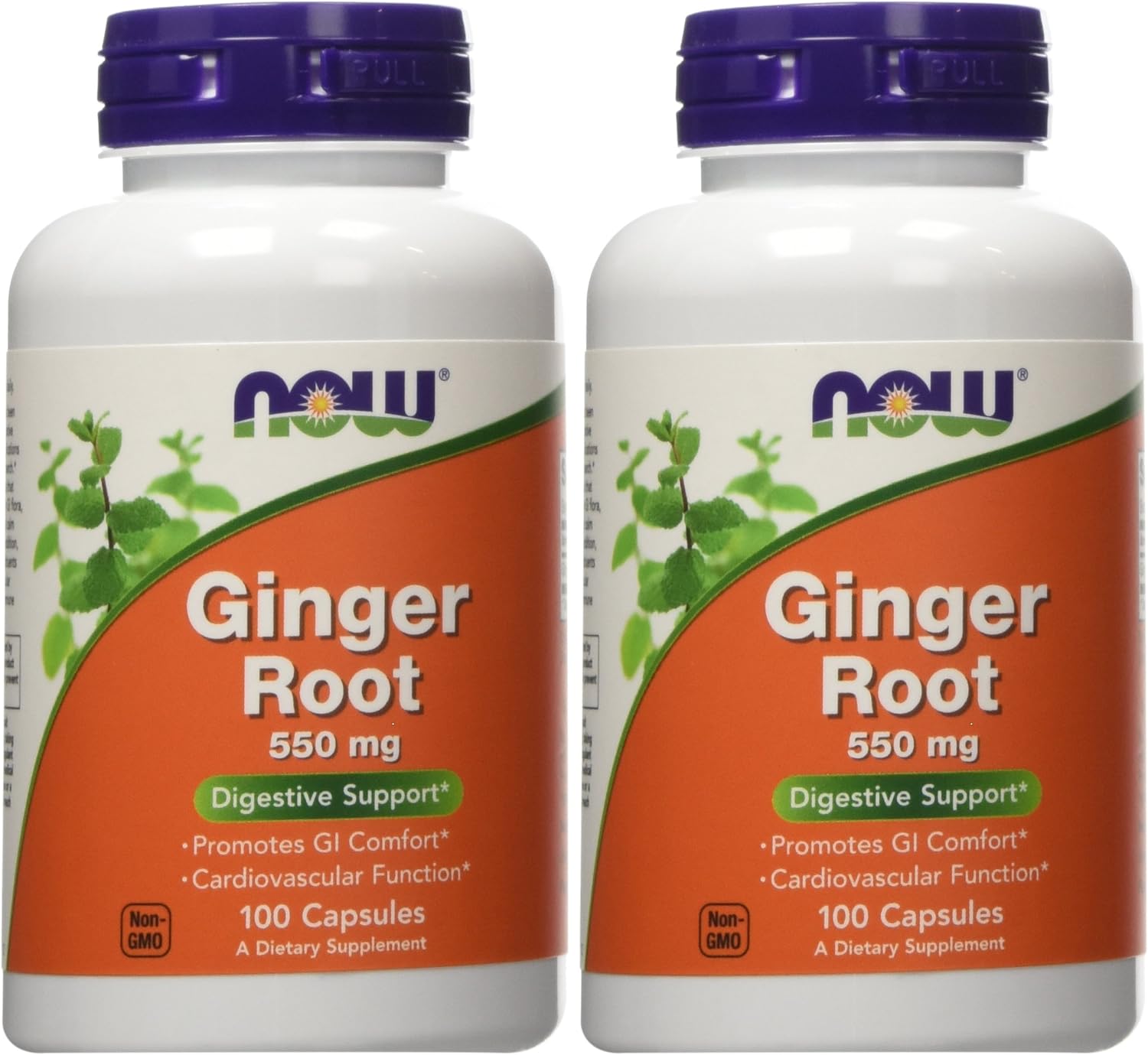
NOW Foods Ginger Root
The best-value pick with GMP. 1100mg per 2-capsule serving sits in the studied range and brand has strong label-accuracy track record.
- Whole-root powder rather than gingerol-standardized extract
- Smaller review base than category leaders
Affiliate link: If you buy through this link, we may earn a commission at no extra cost to you.
Buy NOW Foods Ginger Root
Nature's Way Ginger Root
The botanical-identity pick. TRU-ID identity verification matters in a category with documented adulteration.
- Slightly higher per-serving cost than Nutricost
- Whole-root powder rather than standardized extract
- Mass-retail price variability
Affiliate link: If you buy through this link, we may earn a commission at no extra cost to you.
Buy Nature's Way Ginger Root
Nutricost Ginger Root
The budget pick. Cheapest reliable GMP-certified ginger that delivers the studied dose at the lowest per-serving cost.
- Smallest established brand presence of the three
- Whole-root powder, no gingerol standardization
- Variable shipping in some Amazon regions
Affiliate link: If you buy through this link, we may earn a commission at no extra cost to you.
Buy Nutricost Ginger RootCompare supplements with the same checklist we use.
Get the anti-aging supplement cheat sheet with evidence prompts, safety checks, and label-quality questions before you buy.
Comparison Table
| Category | #1 NOW Foods Ginger Root NOW Foods | #2 Nature's Way Ginger Root Nature's Way | #3 Nutricost Ginger Root Nutricost |
|---|---|---|---|
| Score | 8.6/10 | 8.4/10 | 8.1/10 |
| Best For | GLP-1 users on a multi-supplement stack who want a reliable GMP-certified default | GLP-1 users who specifically want a botanical identity-verified product | Cost-conscious GLP-1 users with a multi-supplement stack |
| Pros |
|
|
|
| Cons |
|
|
|
What to Know About Ginger for GLP-1 Nausea Relief
Nausea is the most consistently reported side effect of GLP-1 receptor agonists — semaglutide (Ozempic, Wegovy), liraglutide (Saxenda, Victoza), and tirzepatide (Mounjaro, Zepbound). It tends to peak in the first few weeks after starting and after every dose escalation, then fade as the body adapts, though some users experience low-grade queasiness throughout their course. The mechanism is direct: GLP-1 acts on receptors in the brainstem that drive nausea signaling, and it slows gastric emptying, leaving food sitting in the stomach longer than is comfortable. Ginger (Zingiber officinale) is the most-studied botanical for nausea across multiple contexts. The Ernst & Pittler 2000 systematic review (PMID 10793599) in the British Journal of Anaesthesia — still one of the most-cited papers in the field — pooled randomized trials of ginger across motion sickness, post-operative nausea, and pregnancy nausea, and reported consistent benefit versus placebo. The Lete & Allué 2016 review (PMID 27053918) in Integrative Medicine Insights extended this through pregnancy and chemotherapy contexts, supporting ginger as an evidence-informed adjunct rather than a primary antiemetic. Mechanistically, ginger appears to act partially through 5-HT3 receptor antagonism (the same target as ondansetron) and partially through mild gastric prokinetic activity — both of which map onto the GLP-1 nausea mechanism. This page ranks three ginger root products for the GLP-1 cohort specifically. The picks are NOW Foods (best per-serving value with GMP), Nature's Way (TRU-ID botanical authentication), and Nutricost (cheapest reliable option). The framing differs from our general ginger-for-nausea page because GLP-1 nausea has different drivers than chemotherapy or pregnancy nausea, different time courses, and a different evidence picture — there is no RCT of ginger specifically in GLP-1 patients yet, and we'll be precise about what that means. Research suggests ginger may support nausea relief across multiple contexts; the GLP-1 extension is a mechanistic inference, not a proven cure.
This content is for educational purposes only and is not medical advice. These statements have not been evaluated by the FDA. This product is not intended to diagnose, treat, cure, or prevent any disease.
Key Benefits of Ginger for GLP-1 Nausea Relief
Research suggests ginger may reduce nausea severity across multiple contexts (post-operative, pregnancy, motion sickness) at doses of 1000–1500mg/day — the cross-context evidence base that supports cautious extension to the GLP-1 cohort (Ernst & Pittler 2000, PMID 10793599)
May act partially through 5-HT3 receptor antagonism — the same mechanism as ondansetron and other prescription antiemetics — which is mechanistically relevant to GLP-1 nausea's central origin
Generally well-tolerated at studied doses with mild side effects (heartburn, mild GI discomfort); does not cause the sedation or anticholinergic effects of prescription antiemetics, which matters for adherence and daily function
How Ginger Supports GLP-1 Nausea Relief
Ginger root contains a class of pungent compounds called gingerols (notably 6-gingerol) and their dehydrated derivatives, shogaols. The proposed antinausea mechanism is multi-modal. Preclinical and clinical work suggests partial antagonism of 5-HT3 (serotonin) receptors in the gastrointestinal tract and central nervous system — the same receptor target as ondansetron, the prescription standard for chemotherapy nausea. Ginger also appears to have mild gastric prokinetic activity in some studies (Lazzini 2016, PMID 26813467), meaning it may modestly accelerate gastric emptying, which is mechanistically relevant to the slowed-stomach component of GLP-1 nausea. In the GLP-1 context, the mechanism mapping is reasonable but indirect. GLP-1 receptor agonists drive nausea through two main routes: direct central action on brainstem nausea-signaling pathways, and delayed gastric emptying that leaves food in the stomach longer than is comfortable. Ginger's 5-HT3 antagonism may dampen the central nausea signal, and its mild prokinetic effect may partially counter the gastric slowing. Neither effect is dramatic — ginger is not as potent as ondansetron, and it does not override the GLP-1 mechanism — but the directional alignment is the basis for cautious extension to this cohort. There is no head-to-head data; this is mechanistic plausibility plus strong general-purpose nausea evidence.
What to Look For When Buying Ginger
The most important decision in GLP-1 ginger isn't which brand you pick — it's whether you can take it before nausea hits, not after. Timing dominates. The classical mistake is treating ginger reactively: you feel queasy, you take ginger, you wait, you feel worse for an hour, you give up. The cross-context nausea literature suggests ginger works better prophylactically — taken before the trigger (motion, the post-op anesthesia, the morning pregnancy peak) rather than after nausea has already escalated. In the GLP-1 context, this translates to: take ginger at the times of day when nausea is worst for you. For most users on weekly semaglutide or tirzepatide, that's the 24–48 hours after each injection. For users on daily liraglutide, the highest-yield timing is often before meals or with the first dose-escalation week. Dose 1000–1500mg/day in 2–3 divided doses. This matches the range used across nausea trials in Ernst & Pittler 2000 and Lete & Allué 2016. For most GLP-1 users, 550mg twice daily or 550mg three times daily covers it. Starting at 550mg once and increasing over a week is reasonable if you have a sensitive stomach — the most common ginger side effect (mild heartburn) is dose-related. Form matters in the GLP-1 cohort. Capsules taken with water are usually better tolerated than candied ginger or strongly flavored tea when active nausea is the problem. Candied ginger has too much sugar, which the GLP-1 medication is suppressing your appetite for anyway. Strong ginger tea works for some users but requires drinking a meaningful volume of warm liquid, which is harder during active nausea than swallowing two capsules. Save ginger tea for after the worst weeks. Ginger is not ondansetron. The cross-context evidence is real but the effect size is modest. If your nausea is severe enough to interfere with food and water intake for more than a few days, talk to your prescribing physician about a short course of ondansetron — that conversation is on the table for most GLP-1 prescribers and does not mean you have to stop your medication. Food-first note: small, frequent, bland, lower-fat meals are the single highest-yield non-supplement intervention for GLP-1 nausea, well above any botanical. Ginger is what you add after meal pattern is already corrected.
Dosage Guidance
Always follow your healthcare provider's recommendations. Dosages vary by individual health status, age, and goals.
Common Ginger Complaints (And How to Avoid Them)
Based on analysis of thousands of customer reviews across Ginger products.
"Ginger gave me heartburn"
Heartburn is the most common dose-related side effect of ginger. Drop the dose by half — start with 550mg once daily rather than 1100mg twice daily — and split into smaller doses taken with food. If heartburn persists at the lower dose, ginger may not be the right antinausea option for you; consider asking your prescriber about ondansetron or peppermint oil capsules as alternatives.
"I took ginger and my nausea didn't change"
Two likely issues. First, timing — ginger appears to work better prophylactically than reactively. Try taking it before nausea hits (the day of your injection or the morning of a dose-escalation day) rather than after queasiness has already started. Second, ginger has a modest effect size; for severe nausea it may simply not be enough, and ondansetron or other prescription antiemetics are appropriate to discuss with your prescribing physician.
"Can I just eat fresh ginger or drink ginger tea instead of capsules?"
You can, but dose control is harder and the volume of liquid required for ginger tea can itself worsen GLP-1 nausea when stomach is already full. The studied dose range (1000–1500mg/day ginger root) is hard to hit reliably with fresh ginger or tea without consuming large quantities. Capsules are the lowest-friction way to deliver the dose used in trials. Reserve tea and fresh ginger for periods when nausea is mild and you can tolerate the volume.
Safety & Interactions
- Pregnancy and breastfeeding: Consult your healthcare provider before taking this supplement during pregnancy or while nursing. The safety of supplemental doses beyond dietary intake has not been established in pregnant or lactating women.
- Blood thinners: If you take blood-thinning medications (e.g., warfarin, apixaban, rivaroxaban, clopidogrel, or high-dose aspirin), consult your healthcare provider BEFORE starting this supplement, as it may have additive antiplatelet or anticoagulant effects.
- Kidney disease: If you have chronic kidney disease (CKD) or any significant kidney impairment, consult your healthcare provider before taking this supplement. Some supplements can accumulate to dangerous levels when kidney function is reduced.
- Gout: Individuals with gout should consult their healthcare provider before starting this supplement. Certain supplements (e.g., collagen, fish oil, niacin) may affect uric acid levels or trigger flares in susceptible individuals.
- Important: This supplement is not a replacement for prescription medications. It is supportive for individuals with low baseline status, not a treatment for diagnosed conditions (anxiety disorders, insomnia, hypertension, osteoporosis, etc.). Do not stop or reduce any prescription without consulting your doctor.
""What I'd emphasize for GLP-1 users: ginger is the highest-evidence non-prescription antinausea option, but the effect size is modest and the GLP-1-specific data does not exist yet. The mechanism mapping is reasonable — 5-HT3 antagonism and mild prokinetic activity both touch the GLP-1 nausea drivers — but ginger is not ondansetron and should not be expected to handle severe nausea on its own. The most important decision is timing: prophylactic dosing around injection days outperforms reactive dosing after queasiness has already escalated. And if nausea is severe enough to interfere with food and water intake for multiple days, that is a prescribing-physician conversation about ondansetron, not a ginger-dose-increase situation."
— Angelique Nicole R. Villegas, RND, Registered Nutritionist Dietitian · PRC Philippines · License #0023950
Frequently Asked Questions
Citations & Research
This page references peer-reviewed research indexed on PubMed/NCBI. Citations are provided for transparency. Always consult a qualified healthcare professional before making any medical decisions.
- [1]Ernst E, Pittler MH. “Efficacy of ginger for nausea and vomiting: a systematic review of randomized clinical trials.” British Journal of Anaesthesia, 2000. Multiple RCTs analyzed. doi:10.1093/bja/84.3.367PMID 10793599 ↗
- [2]Lete I, Allué J. “The Effectiveness of Ginger in the Prevention of Nausea and Vomiting during Pregnancy and Chemotherapy.” Integrative Medicine Insights, 2016. Evidence review. doi:10.4137/IMI.S36273PMID 27053918 ↗
- [3]Lazzini S, Polinelli W, Riva A et al. “The effect of ginger (Zingiber officinalis) and artichoke (Cynara cardunculus) extract supplementation on gastric motility: a pilot randomized study in healthy volunteers.” European Review for Medical and Pharmacological Sciences, 2016. Pilot RCT. PMID 26813467 ↗
- [4]Abidi C, Rtibi K, Boutahiri S. “Dose-dependent Action of Zingiber officinale on Colonic Dysmotility and Ex Vivo Spontaneous Intestinal Contraction Modulation.” Dose Response, 2022. Preclinical (ex vivo + animal). doi:10.1177/15593258221124479PMID 36132707 ↗
Ready to Try Ginger?
Our top pick for glp-1 nausea relief. Third-party tested, highly reviewed.
Affiliate link: If you buy through this link, we may earn a commission at no extra cost to you.
Shop #1 Pick — NOW Foods Ginger RootContinue exploring
- our full Ginger reviewSupplement overview
- top-rated glp 1 nausea relief supplementsGoal overview
- our top Vitamin B6 pick for glp 1 nausea reliefAlternative supplement
- see Ginger evidence for nausea reliefSame supplement, different goal
- best Creatine for glp 1 muscle loss preventionEditor pick
- Electrolytes evidence for glp 1 hydration & electrolyte balanceEditor pick
- Psyllium Husk research for glp 1 constipation reliefEditor pick
Get the evidence-graded supplement cheat sheet.
Evidence prompts, safety checks, and label-quality questions before you buy — free, straight to your inbox.
No spam. Unsubscribe anytime.