
Best CoQ10 Supplements for Brain Health in 2026
Neuronal ATP depends on CoQ10, which declines sharply after 40. We review the neuroprotection evidence, blood-brain barrier penetration, and which form.

This content is for educational purposes only and is not medical advice. These statements have not been evaluated by the FDA. This product is not intended to diagnose, treat, cure, or prevent any disease. Always consult your healthcare provider before starting any supplement.
Best CoQ10 for Brain Health in 2026
Ranked by quality, value, and clinical backing
Where available, we show when each product price was last checked so the list stays honest without overreacting to normal Amazon price movement.
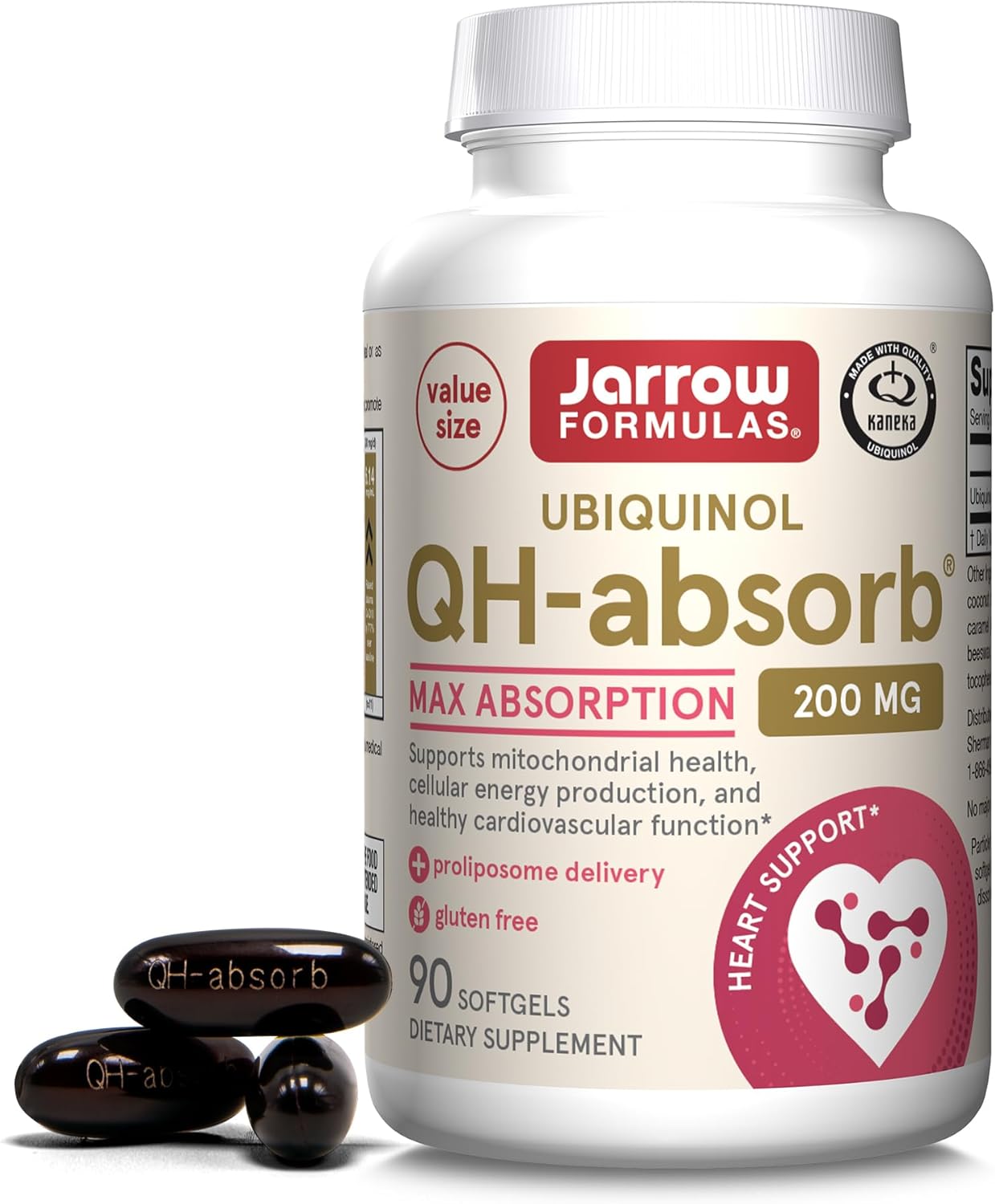
Jarrow Formulas QH-Absorb 200
The best CoQ10 for brain health. 200mg of Kaneka QH ubiquinol with proliposome delivery — the active reduced form with the best lipid-membrane penetration, at a dose relevant to clinical neurological studies. Ubiquinol does not require enzymatic conversion, which matters for adults over 50 who show reduced conversion efficiency.
- No USP or NSF third-party certification — quality relies on Jarrow's internal standards
Affiliate link: If you buy through this link, we may earn a commission at no extra cost to you.
Buy Jarrow Formulas QH-Absorb 200
NOW Ubiquinol 200mg
The best value ubiquinol for brain health. NOW's 50-year manufacturing track record provides quality confidence despite the absence of USP certification on this specific SKU.
- No USP or NSF certification on this SKU
- Some users report occasional fishy aftertaste at this dose
Affiliate link: If you buy through this link, we may earn a commission at no extra cost to you.
Buy NOW Ubiquinol 200mg
Qunol Ultra CoQ10
The most certified option for those prioritizing quality verification over form. USP Verified — the most rigorous third-party certification standard — with a dual water-and-fat-soluble formulation that significantly improves ubiquinone absorption.
- Ubiquinone (oxidized form) requires enzymatic conversion to ubiquinol — conversion efficiency declines with age
- 100mg dose is lower than the 200mg used in most neurological supplementation protocols
- Despite enhanced absorption, ubiquinol remains the preferred form for brain health applications
Affiliate link: If you buy through this link, we may earn a commission at no extra cost to you.
Buy Qunol Ultra CoQ10Compare supplements with the same checklist we use.
Get the anti-aging supplement cheat sheet with evidence prompts, safety checks, and label-quality questions before you buy.
Comparison Table
| Category | #1 Jarrow Formulas QH-Absorb 200 Jarrow Formulas | #2 NOW Ubiquinol 200mg NOW Foods | #3 Qunol Ultra CoQ10 Qunol |
|---|---|---|---|
| Score | 9/10 | 8.5/10 | 8/10 |
| Best For | Adults over 50 who want the most bioavailable CoQ10 form for brain mitochondrial support without worrying about conversion efficiency | Adults who want 200mg ubiquinol from a trusted brand at the best price for consistent long-term supplementation | Adults who prioritize USP certification and want a widely validated, affordable CoQ10 — particularly those under 50 where ubiquinone conversion is still efficient |
| Pros |
|
|
|
| Cons |
|
|
|
What to Know About CoQ10 for Brain Health
The brain is the most mitochondria-dense organ in the body. Neurons are post-mitotic — they cannot be replaced once lost — and they maintain extraordinarily high metabolic demands throughout life, requiring constant mitochondrial ATP production to sustain action potentials, synaptic vesicle cycling, and axonal transport. This energetic dependence makes neurons acutely sensitive to mitochondrial dysfunction. CoQ10 (Coenzyme Q10, also called ubiquinone in its oxidized form and ubiquinol in its reduced form) is an essential component of the mitochondrial electron transport chain, acting as the mobile electron carrier between Complex I/II and Complex III. Without adequate CoQ10, the electron transport chain cannot function efficiently, and ATP production falls. CoQ10 also serves as a fat-soluble antioxidant within mitochondrial membranes, protecting against the oxidative stress generated by electron transport chain activity. CoQ10 levels in the brain decline significantly with age — a pattern that parallels the mitochondrial dysfunction seen in multiple neurodegenerative conditions. The question for brain-health supplementation is whether oral CoQ10 can restore brain CoQ10 levels and support neuronal mitochondrial function. The evidence is mechanistically compelling but clinically preliminary — this page documents both the biology and the honest state of the human evidence. This page is specifically for brain health, distinct from our CoQ10 pages for heart health (cardiac ATP, cardiovascular outcomes) and energy (systemic fatigue, exercise capacity).
This content is for educational purposes only and is not medical advice. These statements have not been evaluated by the FDA. This product is not intended to diagnose, treat, cure, or prevent any disease.
Key Benefits of CoQ10 for Brain Health
CoQ10 is essential for mitochondrial electron transport chain function in neurons — the cells with the highest per-cell energy demands in the body
Ubiquinol (CoQ10's active reduced form) is a primary fat-soluble antioxidant protecting neuronal mitochondrial membranes from oxidative damage
CoQ10 levels are consistently found depleted in cerebrospinal fluid and brain tissue in Parkinson's, Alzheimer's, and Huntington's disease
How CoQ10 Supports Brain Health
CoQ10 functions in neuronal health through two interconnected roles in mitochondria: electron transport and antioxidant protection. Electron transport: CoQ10 shuttles electrons from NADH (generated by Complex I) and FADH2 (generated by Complex II) to Complex III in the inner mitochondrial membrane. This electron transport creates the proton gradient that drives ATP synthase. Without sufficient CoQ10, electron transport chain efficiency falls, the proton gradient becomes inadequate, and ATP production drops. In neurons — which cannot store energy as glycogen and must generate ATP continuously — even modest mitochondrial efficiency losses translate to functional deficits in neurotransmission, axonal transport, and ultimately synaptic plasticity. Antioxidant protection: In its reduced ubiquinol form, CoQ10 is one of the few fat-soluble antioxidants that can be regenerated within the cell. It protects mitochondrial membranes from lipid peroxidation — a particularly important function in the brain, where the high density of polyunsaturated fatty acids (PUFA, especially DHA) in neuronal membranes makes them highly susceptible to oxidative damage. CoQ10 also regenerates vitamin E from its oxidized form (tocopheroxyl radical), extending the brain's antioxidant capacity. Brain-specific vulnerability: The brain faces a particular CoQ10 challenge with aging. Neuronal mitochondria are long-lived (neurons themselves are post-mitotic), generating cumulative oxidative damage over decades. Simultaneously, HMGCR (the enzyme statin drugs target and also the enzyme that produces CoQ10 in the mevalonate pathway) activity declines with age, reducing endogenous CoQ10 synthesis. The net result: aging neurons face both higher oxidative load and lower CoQ10 availability — a combination that drives the mitochondrial dysfunction seen in neurodegenerative disease. Important context: The QE3 phase III trial (n=609, 2014) tested high-dose CoQ10 (1200mg/day plus vitamin E) in early Parkinson's disease and found no slowing of disease progression vs placebo. This does not rule out preventive benefit in healthy aging brains, but is a reminder that CoQ10's mechanistic rationale has not translated to therapeutic effects in diagnosed neurodegenerative disease. Evidence for CoQ10 in brain health remains strongest for prevention and general mitochondrial support, not for treating diagnosed neurological conditions.
CoQ10 and NMN for brain health target mitochondrial energy from different angles — CoQ10 is a direct electron transport chain component, while NMN restores the NAD+ that drives upstream mitochondrial signaling — which is why both appear in more comprehensive neurological longevity protocols.
Pairing CoQ10 with omega-3 for brain health is common because CoQ10 addresses mitochondrial energy in neurons while omega-3 DHA maintains the phospholipid membrane structure that neurons depend on for signal transmission.
What to Look For When Buying CoQ10
Dosage Guidance
Always follow your healthcare provider's recommendations. Dosages vary by individual health status, age, and goals.
Common CoQ10 Complaints (And How to Avoid Them)
Based on analysis of thousands of customer reviews across CoQ10 products.
"I've been taking CoQ10 for brain fog for 3 weeks and notice nothing."
CoQ10 supports mitochondrial energy production in neurons — effects on cognitive clarity typically take 6–8 weeks of consistent use. CoQ10 is not an acute stimulant; it restores the cellular energy substrate that neurons run on.
"I already take CoQ10 for heart health — is the same product fine for brain?"
Yes. The ubiquinol and ubiquinone products on this page are the same whether used for cardiovascular or cognitive applications. The distinction is the form: ubiquinol is preferred for users 40+ because conversion efficiency from ubiquinone declines with age.
"Ubiquinol is expensive. Can I use regular CoQ10 ubiquinone instead?"
Ubiquinone converts to ubiquinol inside cells. At younger ages (under 40), conversion is efficient. After 40, ubiquinol is preferred — it is the active form that doesn't require conversion. For brain-specific use, the extra cost is generally justified.
Safety & Interactions
- Pregnancy and breastfeeding: Consult your healthcare provider before taking this supplement during pregnancy or while nursing. The safety of supplemental doses beyond dietary intake has not been established in pregnant or lactating women.
- Blood thinners: If you take blood-thinning medications (e.g., warfarin, apixaban, rivaroxaban, clopidogrel, or high-dose aspirin), consult your healthcare provider BEFORE starting this supplement, as it may have additive antiplatelet or anticoagulant effects.
- Kidney disease: If you have chronic kidney disease (CKD) or any significant kidney impairment, consult your healthcare provider before taking this supplement. Some supplements can accumulate to dangerous levels when kidney function is reduced.
- Gout: Individuals with gout should consult their healthcare provider before starting this supplement. Certain supplements (e.g., collagen, fish oil, niacin) may affect uric acid levels or trigger flares in susceptible individuals.
- Fish allergy - capsule source: Some softgel capsules use fish-derived gelatin even when the active supplement is not fish-derived. If you have a confirmed fish or shellfish allergy, verify the capsule source on the label or check with the manufacturer. Vegan capsules (vegetable cellulose) are widely available alternatives.
- Beef / alpha-gal allergy - capsule source: Many softgel and two-piece capsules use bovine gelatin. If you have a confirmed beef allergy or alpha-gal syndrome (mammalian meat allergy), check capsule sources on the label. Vegan capsules (vegetable cellulose) and HPMC capsules are alternatives.
- Active cancer or chemotherapy/radiation: If you have an active cancer diagnosis or are undergoing chemotherapy or radiation, consult your oncologist before taking this supplement. Mechanisms involving DNA repair, mitochondrial energy production, cellular proliferation, or antioxidant activity could theoretically affect cancer cell survival or treatment efficacy. This is a theoretical concern based on cellular mechanisms, not a proven clinical interaction, but it warrants an oncology discussion before use.
- Diabetes medications: If you take metformin, insulin, or sulfonylureas, consult your provider before starting this supplement. Some studies suggest a modest lowering of fasting blood glucose and HbA1c — generally beneficial, but additive effects could increase hypoglycemia risk if your diabetes medications are not adjusted.
- Not a dementia treatment: This supplement is not a treatment for Alzheimer's disease, dementia, or mild cognitive impairment (MCI). Trials studying cognition (e.g., SmartAge for spermidine) recruited older adults with subjective cognitive decline, not diagnosed dementia. If you or a family member have concerns about memory loss or cognitive decline, consult a neurologist for proper evaluation.
- Statin-associated CoQ10 depletion: If you take a statin (atorvastatin, simvastatin, rosuvastatin, pravastatin, lovastatin) you have a higher clinical need for CoQ10. Statins inhibit HMG-CoA reductase — the same enzyme that produces CoQ10 — and reduce circulating CoQ10 by 20–40% in some studies. Many cardiologists recommend 100–200mg CoQ10 daily for statin users, particularly those with statin-associated muscle symptoms. Discuss with your prescribing physician.
- Important: This supplement is not a replacement for prescription medications. It is supportive for individuals with low baseline status, not a treatment for diagnosed conditions (anxiety disorders, insomnia, hypertension, osteoporosis, etc.). Do not stop or reduce any prescription without consulting your doctor.
""CoQ10 for brain health is one of the more mechanistically compelling but clinically underproven supplements in the longevity space. The biology is real — neurons are mitochondria-dense, CoQ10 is essential for mitochondrial ATP and antioxidant protection, and CoQ10 depletion is documented in multiple neurodegenerative diseases. But the QE3 trial's failure to show Parkinson's progression slowing is a sobering data point. The strongest case for CoQ10 brain supplementation is: (1) as a preventive strategy before significant neurodegeneration, not as a therapeutic, (2) for statin users who have documented CoQ10 depletion, and (3) stacked with omega-3 and NMN for a multi-mechanism neurological aging approach. Use ubiquinol over ubiquinone for brain health specifically."
— Angelique Nicole R. Villegas, RND, Registered Nutritionist Dietitian · PRC Philippines · License #0023950
Frequently Asked Questions
Citations & Research
This page references peer-reviewed research indexed on PubMed/NCBI. Citations are provided for transparency. Always consult a qualified healthcare professional before making any medical decisions.
- [c1]Li Z, Wang P, Yu Z, et al. “The effect of creatine and coenzyme q10 combination therapy on mild cognitive impairment in Parkinson's disease.” European Neurology, 2015. 75. doi:10.1159/000377676PMID 25792086 ↗
- [c2]Fukuda S, Nojima J, Kajimoto O, et al. “Ubiquinol-10 supplementation improves autonomic nervous function and cognitive function in chronic fatigue syndrome.” Biofactors, 2016. 20. doi:10.1002/biof.1293PMID 27125909 ↗
- [c3]Rauchová H. “Coenzyme Q10 effects in neurological diseases.” Physiological Research, 2021. doi:10.33549/physiolres.934712PMID 35199552 ↗
- [c4]Maguire Á, Mooney C, Nangle MR, et al. “No Effect of Coenzyme Q10 on Cognitive Function, Psychological Symptoms, and Health-related Outcomes in Schizophrenia and Related Disorders.” Journal of Clinical Psychopharmacology, 2021. 96. doi:10.1097/JCP.0000000000001330PMID 33347024 ↗
- [c5]Mantle D, Hargreaves IP. “Mitochondrial Dysfunction and Neurodegenerative Disorders: Role of Nutritional Supplementation.” International Journal of Molecular Sciences, 2022. doi:10.3390/ijms232012603PMID 36293457 ↗
Ready to Try CoQ10?
Our top pick for brain health. Third-party tested, highly reviewed.
Affiliate link: If you buy through this link, we may earn a commission at no extra cost to you.
Shop #1 Pick — Jarrow Formulas QH-Absorb 200Continue exploring
- our full CoQ10 reviewSupplement overview
- best supplements for brain healthGoal overview
- see Acetyl L Carnitine evidence for brain healthAlternative supplement
- Creatine fit for brain healthAlternative supplement
- how CoQ10 supports blood pressure supportSame supplement, different goal
- CoQ10 and heart health: what to knowEditor pick
- see our CoQ10 picks for energyEditor pick
- NMN reviewed for brain healthEditor pick
- how Omega 3 supports brain healthEditor pick
- coq10 vs ubiquinol comparedCompare options
Get the evidence-graded supplement cheat sheet.
Evidence prompts, safety checks, and label-quality questions before you buy — free, straight to your inbox.
No spam. Unsubscribe anytime.