
Best Collagen for Hair Growth: 3 Evidence-Backed Picks for 2026
Type I collagen supports follicle stem cells and keratin building blocks — not the same mechanism as biotin. We rank the top products and explain the evidence

This content is for educational purposes only and is not medical advice. These statements have not been evaluated by the FDA. This product is not intended to diagnose, treat, cure, or prevent any disease. Always consult your healthcare provider before starting any supplement.
Best Collagen for Hair Growth in 2026
Ranked by quality, value, and clinical backing
Where available, we show when each product price was last checked so the list stays honest without overreacting to normal Amazon price movement.

Garden of Life Grass Fed Collagen
Garden of Life Grass Fed Collagen — third-party tested. 4.6★ (3,102 ratings). Confirmed in stock.
- Amazon price and availability can change over time
Affiliate link: If you buy through this link, we may earn a commission at no extra cost to you.
Buy Garden of Life Grass Fed Collagen
Great Lakes Wellness Collagen Peptides
Great Lakes Wellness Collagen Peptides — third-party tested. 4.6★ (37,690 ratings). Confirmed in stock.
- Amazon price and availability can change over time
Affiliate link: If you buy through this link, we may earn a commission at no extra cost to you.
Buy Great Lakes Wellness Collagen Peptides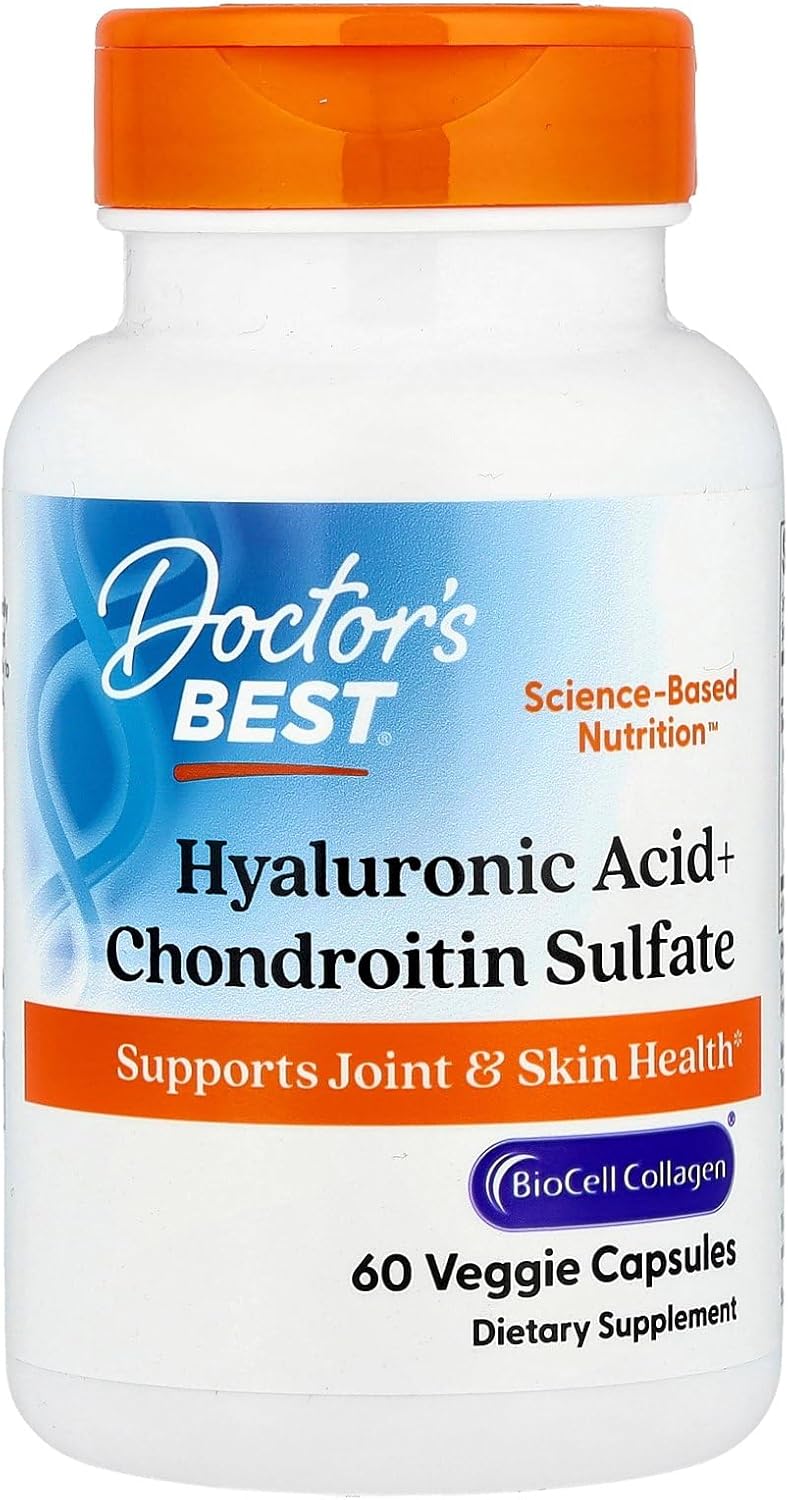
Doctor's Best BioCell Collagen with Hydrolyzed Type II Collagen, HA & Chondroitin
Doctor's Best BioCell Collagen with Hydrolyzed Type II Collagen, HA & Chondroitin — third-party tested. 4.6★ (2,542 ratings). Confirmed in stock.
- Amazon price and availability can change over time
Affiliate link: If you buy through this link, we may earn a commission at no extra cost to you.
Buy Doctor's Best BioCell Collagen with Hydrolyzed Type II Collagen, HA & ChondroitinCompare supplements with the same checklist we use.
Get the anti-aging supplement cheat sheet with evidence prompts, safety checks, and label-quality questions before you buy.
Comparison Table
| Category | #1 Garden of Life Grass Fed Collagen Garden of Life | #2 Great Lakes Wellness Collagen Peptides Great Lakes Wellness | #3 Doctor's Best BioCell Collagen with Hydrolyzed Type II Collagen, HA & Chondroitin Doctor's Best |
|---|---|---|---|
| Score | 8.8/10 | 8.8/10 | 8.8/10 |
| Best For | |||
| Pros |
|
|
|
| Cons |
|
|
|
What to Know About Collagen for Hair Growth
Hair thinning after 30 isn't just cosmetic — it affects confidence, identity, and daily life. Collagen supplements have become one of the most talked-about options for adults looking to support hair thickness and growth rate, and for good reason. Collagen makes up a significant portion of the dermis, the layer of skin where hair follicles are anchored, which gives it a plausible biological connection to hair health that other supplements simply don't have. That said, not all collagen products are created equal. The market is flooded with powders and capsules making bold claims, but the clinical evidence — while growing — is still moderate. Dosing varies wildly between products, third-party testing is inconsistently applied, and many formulas bury a minimal collagen dose inside a supplement soup. We've done the work of sorting that out for you. This guide ranks three collagen supplements based on clinical dosing, formulation quality, third-party certification, and price-per-serving. Whether you're dealing with telogen effluvium, androgenetic hair loss, or just want denser-looking hair, we'll help you find the right product for your situation — no hype, no filler.
This content is for educational purposes only and is not medical advice. These statements have not been evaluated by the FDA. This product is not intended to diagnose, treat, cure, or prevent any disease.
Key Benefits of Collagen for Hair Growth
May support the dermal collagen matrix that anchors hair follicles, potentially improving hair density over 8–12 weeks of consistent use
Provides glycine and proline — precursor amino acids involved in keratin synthesis and scalp tissue repair
Hydrolyzed collagen peptides are highly bioavailable and well-tolerated, with a low side-effect profile across most adult populations
How Collagen Supports Hair Growth
Hair follicles sit inside the dermis, embedded in a collagen-rich extracellular matrix. As collagen production declines with age, the structural scaffold around follicles weakens — and research on distinct fibroblast lineages by Driskell et al. (2013, PMID 24336287) established that different dermal fibroblast populations determine the structural architecture that controls hair follicle behavior in both development and repair. Oral hydrolyzed collagen peptides are broken down in the gut into di- and tripeptides, absorbed into circulation, and research using isotopic tracing suggests these peptides do reach connective tissue, including the dermis. Collagen also supplies glycine and proline, which are rate-limiting amino acids in keratin synthesis. Vitamin C — often added to collagen formulas — is required for the hydroxylation of proline, a step essential to collagen triple-helix formation. Without adequate ascorbic acid, collagen synthesis stalls regardless of peptide intake. This is why the combination of hydrolyzed collagen with Vitamin C is more than a marketing pairing: it is biochemically coherent. Supporting cast players like biotin and zinc address different hair biology pathways — zinc regulates follicle cycling, while biotin supports keratinocyte proliferation — which is why multi-ingredient formulas can offer broader mechanistic coverage.
Collagen and biotin for hair loss are frequently stacked because they target different structural layers — collagen supports the dermal matrix surrounding follicles while biotin is the cofactor for keratin synthesis inside the hair shaft itself.
Some users add MSM for joint health alongside collagen, since MSM donates the organic sulfur that cross-links collagen fibers in connective tissue — a mechanistic pairing relevant to tendons, cartilage, skin, and hair structure.
What to Look For When Buying Collagen
The single most important number on any collagen label is the collagen peptide dose per serving. Research on hair and skin outcomes has generally used 10–20g of hydrolyzed collagen daily. If a product lists 5g of collagen alongside 50 other ingredients, you're not getting a clinical dose — you're getting a marketing formula. Always locate the collagen peptide amount in grams on the supplement facts panel before anything else. Source matters, but perhaps less than the industry suggests. The three dominant sources are bovine (cow hide/bone), marine (fish skin/scales), and chicken (sternum cartilage). Marine collagen is predominantly Type I, the same type found in hair and skin dermis, and tends to have slightly smaller peptide sizes that may absorb more readily. Bovine is also predominantly Type I and has the largest body of human research behind it. Unless you have a specific dietary restriction — pescatarian, halal, kosher — the clinical differences between bovine and marine are modest. What matters more is dose and hydrolysis quality. Third-party testing is non-negotiable for a daily supplement. Informed Sport and NSF Certified for Sport are the gold standards, running full contaminant and label accuracy panels. A collagen powder that's untested could theoretically contain heavy metals from poor-quality hides — particularly lead and cadmium, which have appeared in some independent tests of collagen products. Don't skip the certification check. Finally, think about co-factors. Collagen synthesis doesn't happen in a vacuum. Vitamin C is essential. Zinc and biotin address complementary pathways. If you're choosing a pure collagen powder without these additions, pair it with a diet rich in citrus, bell peppers, and zinc-containing foods — or add a separate Vitamin C supplement. The best collagen product for your hair isn't the one with the most impressive label; it's the one you'll actually take consistently for 90 days.
Dosage Guidance
Always follow your healthcare provider's recommendations. Dosages vary by individual health status, age, and goals.
Common Collagen Complaints (And How to Avoid Them)
Based on analysis of thousands of customer reviews across Collagen products.
"I took collagen for a month and saw zero difference in my hair"
One month is genuinely not long enough to assess collagen's effect on hair, given that a full hair growth cycle takes approximately 3 months. Clinical studies that found positive outcomes ran for 12 weeks minimum. We're explicit in this guide that 90 days is the realistic assessment window — not 30 days.
"The powder clumps and has a weird smell"
All three products on this list have been selected partly on the basis of a substantial review base, which provides a realistic signal on mixability and taste. Great Lakes Wellness Collagen Peptides in particular carries roughly 37,700 reviews, giving strong confidence in its unflavored, easy-mixing profile. We note this isn't universal, and water temperature and blending method affect clumping significantly.
"I can't tell if it's the collagen or the biotin that's helping"
Honestly, you probably can't — and that's a real limitation of multi-ingredient products like Doctor's Best BioCell Collagen, which pairs hydrolyzed type II collagen with hyaluronic acid and chondroitin. We're transparent about the fact that most clinical research uses combination formulas, which makes it hard to attribute benefits to a single ingredient. If isolating collagen's contribution matters to you, a pure collagen peptide powder like Great Lakes Wellness or Garden of Life allows you to test that variable more cleanly.
Safety & Interactions
- Pregnancy and breastfeeding: Consult your healthcare provider before taking this supplement during pregnancy or while nursing. The safety of supplemental doses beyond dietary intake has not been established in pregnant or lactating women.
- Blood thinners: If you take blood-thinning medications (e.g., warfarin, apixaban, rivaroxaban, clopidogrel, or high-dose aspirin), consult your healthcare provider BEFORE starting this supplement, as it may have additive antiplatelet or anticoagulant effects.
- Kidney disease: If you have chronic kidney disease (CKD) or any significant kidney impairment, consult your healthcare provider before taking this supplement. Some supplements can accumulate to dangerous levels when kidney function is reduced.
- Gout: Individuals with gout should consult their healthcare provider before starting this supplement. Certain supplements (e.g., collagen, fish oil, niacin) may affect uric acid levels or trigger flares in susceptible individuals.
- Fish allergy - capsule source: Some softgel capsules use fish-derived gelatin even when the active supplement is not fish-derived. If you have a confirmed fish or shellfish allergy, verify the capsule source on the label or check with the manufacturer. Vegan capsules (vegetable cellulose) are widely available alternatives.
- Beef allergy: If you have a confirmed beef allergy or alpha-gal syndrome (mammalian meat allergy), avoid supplements derived from bovine sources, including collagen, gelatin, and some forms of cartilage. Look for marine or vegan alternatives.
- Beef / alpha-gal allergy - capsule source: Many softgel and two-piece capsules use bovine gelatin. If you have a confirmed beef allergy or alpha-gal syndrome (mammalian meat allergy), check capsule sources on the label. Vegan capsules (vegetable cellulose) and HPMC capsules are alternatives.
- Biotin lab interference: High-dose biotin (typically 5,000mcg or more per serving) can cause clinically significant interference with laboratory tests, including thyroid function tests, troponin (used to diagnose heart attacks), vitamin D, and hormone assays. If you take a biotin-containing supplement, tell your doctor and all lab technicians. Stop biotin at least 48 hours before blood work. The FDA has issued warnings about biotin interference leading to incorrect test results.
- Medical hair loss conditions: This supplement is not a treatment for medical hair loss conditions including androgenetic alopecia (pattern baldness), alopecia areata, telogen effluvium, or scarring alopecias. If you are experiencing unexplained hair loss, consult a dermatologist for proper diagnosis.
""From a registered dietitian's perspective, collagen supplementation is most likely to be useful when it's filling a genuine amino acid gap — particularly in adults following calorie-restricted diets, older individuals with reduced protein intake, or anyone under prolonged physiological stress. It's not a substitute for a protein-adequate diet, and anyone experiencing significant hair loss should rule out iron deficiency, thyroid dysfunction, and hormonal causes before attributing it primarily to collagen decline."
— Angelique Nicole R. Villegas, RND, Registered Nutritionist Dietitian · PRC Philippines · License #0023950
Frequently Asked Questions
Citations & Research
This page references peer-reviewed research indexed on PubMed/NCBI. Citations are provided for transparency. Always consult a qualified healthcare professional before making any medical decisions.
- [1]Milani M, Colombo F, GFM-O-Trial Investigators Group. “Efficacy and tolerability of an oral supplement containing amino acids, iron, selenium, and marine hydrolyzed collagen in subjects with hair loss (androgenetic alopecia, AGA or FAGA or telogen effluvium). A prospective, randomized, 3-month, controlled, assessor-blinded study.” Skin research and technology : official journal of International Society for Bioengineering and the Skin, 2023. Randomized controlled trial, 3 months. doi:10.1111/srt.13381PMID 37357646 ↗
- [2]Choi FD, Sung CT, Juhasz ML, Mesinkovsk NA. “Oral Collagen Supplementation: A Systematic Review of Dermatological Applications.” Journal of drugs in dermatology : JDD, 2019. Systematic review, multiple trials. PMID 30681787 ↗
- [3]Driskell RR, Lichtenberger BM, Hoste E et al. “Distinct fibroblast lineages determine dermal architecture in skin development and repair.” Nature, 2013. Foundational in vivo mechanistic study. doi:10.1038/nature12783PMID 24336287 ↗
Ready to Try Collagen?
Our top pick for hair growth. Third-party tested, highly reviewed.
Affiliate link: If you buy through this link, we may earn a commission at no extra cost to you.
Shop #1 Pick — Garden of Life Grass Fed CollagenContinue exploring
- see all Collagen usesSupplement overview
- what we recommend for hair growthGoal overview
- best Marine Collagen for hair growthAlternative supplement
- the NMN page for hair growthAlternative supplement
- our top Collagen pick for anti agingSame supplement, different goal
- clinical notes on Collagen and skin healthEditor pick
- see how collagen type i stacks up to collagen type iiCompare options
Get the evidence-graded supplement cheat sheet.
Evidence prompts, safety checks, and label-quality questions before you buy — free, straight to your inbox.
No spam. Unsubscribe anytime.