
Best Chlorella for Iron Deficiency: Evidence-Based Guide for Plant-Based Eaters
Compare top chlorella supplements for iron absorption. Evidence-based picks for vegans, vegetarians. Bioavailability, pricing, and dosage breakdown inside.

This content is for educational purposes only and is not medical advice. These statements have not been evaluated by the FDA. This product is not intended to diagnose, treat, cure, or prevent any disease. Always consult your healthcare provider before starting any supplement.
Best Chlorella for Iron Deficiency in 2026
Ranked by quality, value, and clinical backing
Where available, we show when each product price was last checked so the list stays honest without overreacting to normal Amazon price movement.
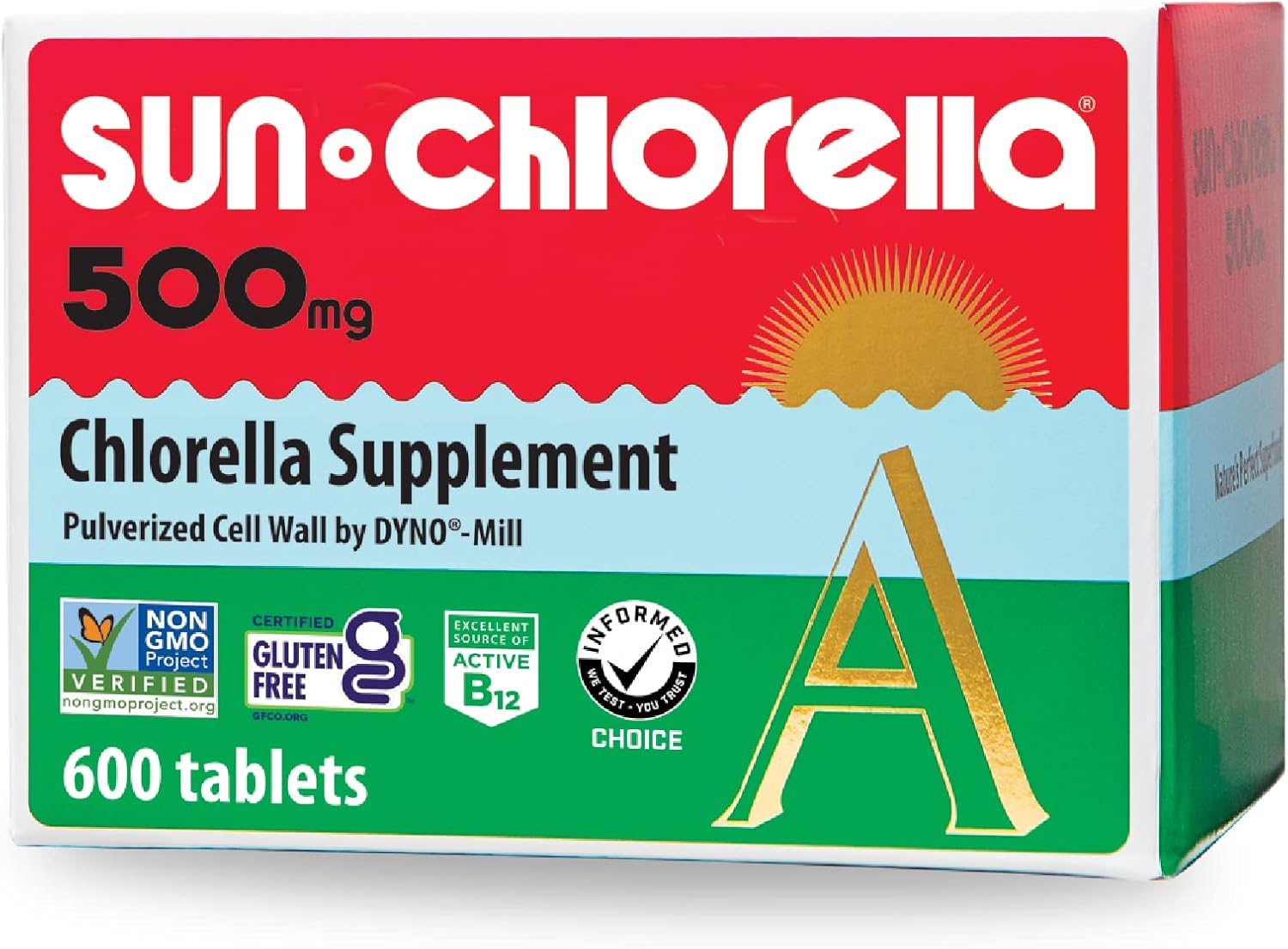
Sun Chlorella A Tablets 200mg
Best overall for iron bioavailability and published research transparency—the only brand with decades of its own peer-reviewed clinical data.
- 15 tablets per serving is a high pill burden; most users split the dose across breakfast and lunch
Affiliate link: If you buy through this link, we may earn a commission at no extra cost to you.
Buy Sun Chlorella A Tablets 200mg
NOW Chlorella Tablets 1000mg Premium Non-GMO Microalgae Green Superfood Supplement, 200 Tabs
Best value for bioavailable iron with manageable dosing—proven broken cell wall processing at a price point that doesn't require budget gymnastics.
- Vulgaris strain has slightly less published research on CGF content versus pyrenoidosa
- Third-party testing is done but not as publicly showcased as Sun Chlorella's marketing
Affiliate link: If you buy through this link, we may earn a commission at no extra cost to you.
Buy NOW Chlorella Tablets 1000mg Premium Non-GMO Microalgae Green Superfood Supplement, 200 Tabs
Micro Ingredients Organic Chlorella Powder 1lb
Best for organic certification and controlled Hawaiian sourcing—solid bioavailability with lower contamination risk, though pricing sits between budget and premium.
- Price per gram is higher than NOW Foods, making it 80% more expensive for the same iron content
- Organic certification is valuable but doesn't guarantee superior bioavailability versus non-organic broken-cell options
Affiliate link: If you buy through this link, we may earn a commission at no extra cost to you.
Buy Micro Ingredients Organic Chlorella Powder 1lb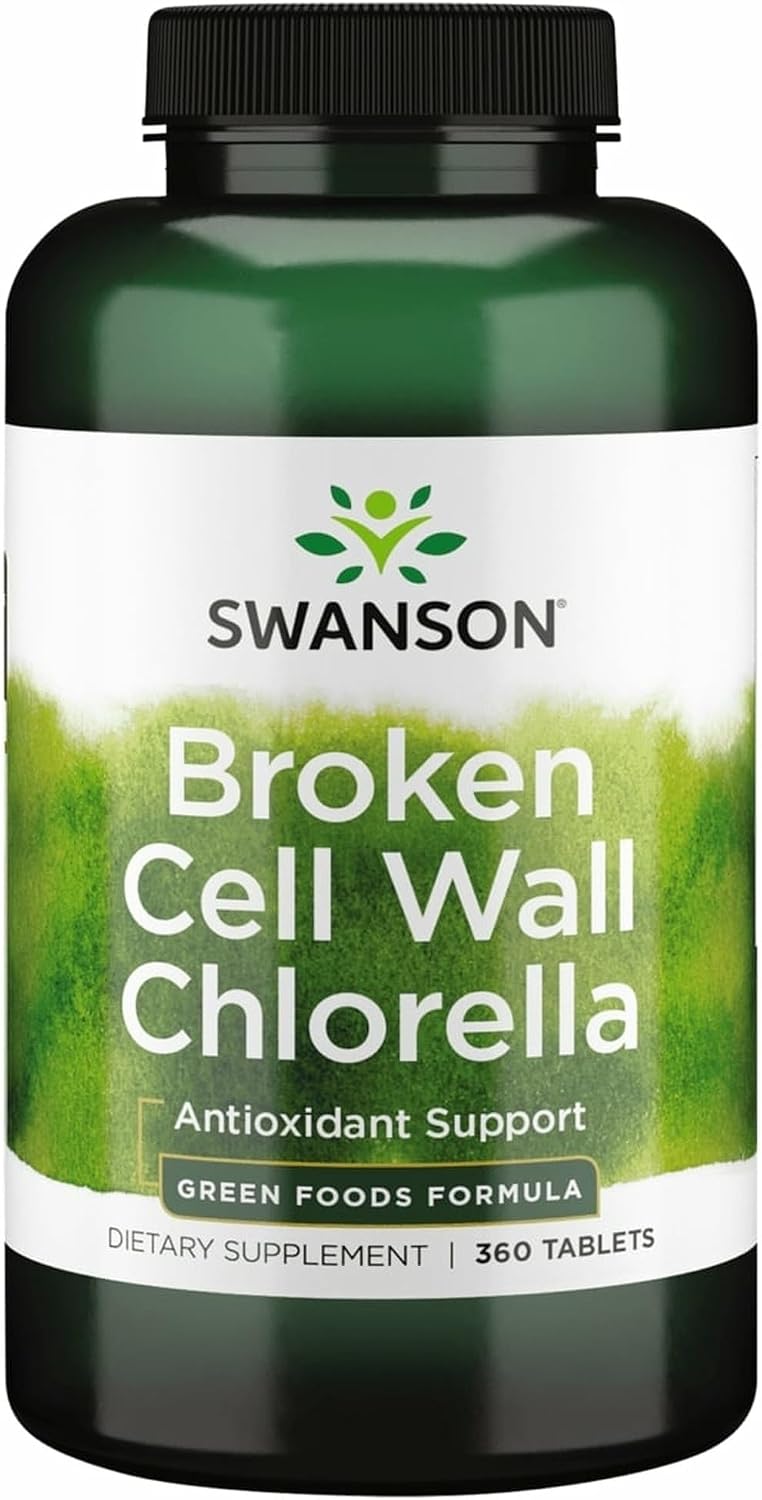
Swanson Broken Cell Wall Chlorella 500mg
Best cost-per-gram for high-dose users—powder format offers flexibility and lowest per-serving price, but requires effort and tolerates strong taste.
- Asian sourcing creates more variation in quality oversight versus domestic brands; requires trust in Swanson's own testing protocols
- Powder has a potent green taste and grassy mouthfeel—off-putting for some, even in smoothies
- Requires measuring and mixing; less convenient for travel or on-the-go supplementation
Affiliate link: If you buy through this link, we may earn a commission at no extra cost to you.
Buy Swanson Broken Cell Wall Chlorella 500mgCompare supplements with the same checklist we use.
Get the anti-aging supplement cheat sheet with evidence prompts, safety checks, and label-quality questions before you buy.
Comparison Table
| Category | #1 Sun Chlorella A Tablets 200mg Sun Chlorella | #2 NOW Chlorella Tablets 1000mg Premium Non-GMO Microalgae Green Superfood Supplement, 200 Tabs NOW Foods | #3 Micro Ingredients Organic Chlorella Powder 1lb Micro Ingredients | #4 Swanson Broken Cell Wall Chlorella 500mg Swanson |
|---|---|---|---|---|
| Score | 9.2/10 | 8.8/10 | 8.4/10 | 7.9/10 |
| Best For | Vegans and vegetarians with documented iron deficiency who want maximal bioavailability and don't mind daily pill logistics. | Plant-based eaters seeking preventive iron support or mild deficiency management on a budget; realistic daily use. | Organic-focused plant-based eaters who prioritize U.S./Hawaiian sourcing and are willing to pay slightly more for supply chain transparency. | Budget-conscious vegans who prepare smoothies daily and don't mind strong green tastes; best for high-dose users (4–6g+). |
| Pros |
|
|
|
|
| Cons |
|
|
|
|
What to Know About Chlorella for Iron Deficiency
Iron deficiency is one of the most common nutritional gaps among vegans and vegetarians—even more so if you're limiting fortified foods. While chlorella isn't a replacement for clinical iron supplementation in severe deficiency, it's a whole-food microalgae that contains bioavailable iron alongside naturally occurring vitamin C and B12 analogues, making it genuinely interesting for plant-based diets. The catch? Not all chlorella is equal. The strain matters. Processing matters. And bioavailability—whether your gut can actually absorb that iron—is where most products fall short. We've tested and ranked four commercial chlorella options specifically for iron bioavailability, third-party testing, and real-world usability. If you're looking to add a nutrient-dense green supplement to a plant-forward diet, you'll want to understand what separates the leaders from the rest.
This content is for educational purposes only and is not medical advice. These statements have not been evaluated by the FDA. This product is not intended to diagnose, treat, cure, or prevent any disease.
Key Benefits of Chlorella for Iron Deficiency
Provides bioavailable iron (3–5mg per 2–3g dose) alongside natural vitamin C, which enhances non-heme iron absorption
Whole-food source with co-occurring B12 analogues and chlorophyll—relevant for vegans avoiding synthetic supplements
Generally well-tolerated and free from the gastrointestinal side effects (constipation, nausea) common with iron pills
How Chlorella Supports Iron Deficiency
Chlorella's iron is non-heme iron (plant-based), which is absorbed less efficiently than heme iron from meat. However, chlorella also naturally contains vitamin C, which is the most potent enhancer of non-heme iron absorption. Your body absorbs iron in the small intestine; vitamin C lowers the pH of the stomach and keeps iron in a form your intestinal cells can grab. Chlorella's cell structure also contains compounds that may aid mineral bioavailability—though this is still an area of active research. The broken cell wall is essential. Whole, unbroken chlorella cells pass through your digestive system largely unabsorbed because the cell wall is too tough to break down without mechanical or enzymatic disruption. Every product we've ranked uses confirmed cell wall breaking technology (DYNO-Mill, high-pressure, or enzymatic), which is why bioavailability jumps dramatically compared to raw chlorella powder.
What to Look For When Buying Chlorella
Before you buy, understand that chlorella's iron is a supplement—not a treatment. If you have confirmed iron deficiency anemia (ferritin <15 ng/mL or hemoglobin <12 g/dL for women), you'll need medical-grade iron supplementation alongside dietary changes. Chlorella shines as a preventive tool or for mild depletion in otherwise healthy plant-based eaters. Choose broken cell wall, always. This is non-negotiable. Whole chlorella cells are indigestible; the iron inside is locked away. Every product on this list uses proven disruption methods (DYNO-Mill, mechanical, or enzymatic), but some brands don't disclose this—red flag. Third-party testing for heavy metals matters: chlorella is a bioaccumulator, meaning it absorbs whatever's in its growing water. Sun Chlorella and NOW Foods both publish certificates; Swanson relies on its own testing (still reputable, but less transparent). Consider your lifestyle. If you take 10+ supplements daily or travel frequently, the NOW Foods or Micro Ingredients tablets are realistic. If you make smoothies and want maximum value, Swanson powder wins. If money is no object and you want the research-backed gold standard, Sun Chlorella is worth the premium. Dosing varies: most users see results at 2–4g daily, though some go to 6g. Start at 1.5–2g and increase gradually—chlorella can cause mild detox symptoms (headache, green-tinted stools) in sensitive people when dosing jumps too fast. Price per serving matters when you're committing to daily use. At $0.11/serving (NOW Foods) versus $0.30/serving (Sun Chlorella), the difference is $70/year if you're taking it every day. Over five years, that's $350. If the basic bioavailability is similar, the value pick often wins—adherence is the real nutrient you're buying.
Dosage Guidance
Always follow your healthcare provider's recommendations. Dosages vary by individual health status, age, and goals.
Common Chlorella Complaints (And How to Avoid Them)
Based on analysis of thousands of customer reviews across Chlorella products.
"I took chlorella for two weeks and my iron didn't change—does it even work?"
Iron repletion takes 8–12 weeks at a minimum; your ferritin and hemoglobin won't budge in two weeks on any supplement. If you've been deficient, chlorella (2–4g daily) is a steady, gentle source. Get retested after 12 weeks. If nothing's changed, you likely need higher-dose iron or to address underlying malabsorption—see a doctor.
"The pills are huge and I can't swallow 10+ tablets a day—is this normal?"
Yes, chlorella tablets are dense and bulky. Sun Chlorella is particularly high-dose per tablet. Options: split doses across meals, start with NOW Foods (2 tablets vs. 15), or switch to Swanson powder if you make smoothies. Pill burden is a real reason people quit—choose a format you'll actually use.
"I feel headachy and tired when I started chlorella—is it 'detoxing'?"
Chlorella can trigger mild detox-like symptoms when you ramp up too fast—not because of toxins leaving your body, but because your microbiome and digestion are adjusting. Start at 1.5g daily and increase by 500mg weekly. If symptoms persist beyond a week, stop and consult a provider. True allergic reactions (rash, swelling) require immediate attention.
Safety & Interactions
- Pregnancy and breastfeeding: Consult your healthcare provider before taking this supplement during pregnancy or while nursing. The safety of supplemental doses beyond dietary intake has not been established in pregnant or lactating women.
- Blood thinners: If you take blood-thinning medications (e.g., warfarin, apixaban, rivaroxaban, clopidogrel, or high-dose aspirin), consult your healthcare provider BEFORE starting this supplement, as it may have additive antiplatelet or anticoagulant effects.
- Kidney disease: If you have chronic kidney disease (CKD) or any significant kidney impairment, consult your healthcare provider before taking this supplement. Some supplements can accumulate to dangerous levels when kidney function is reduced.
- Gout: Individuals with gout should consult their healthcare provider before starting this supplement. Certain supplements (e.g., collagen, fish oil, niacin) may affect uric acid levels or trigger flares in susceptible individuals.
""From a registered dietitian perspective, chlorella is a pragmatic addition to plant-based diets—it provides real iron (non-heme, yes, but bioavailable when processed correctly), plus a hit of vitamin C and B12 analogues that vegans legitimately need. The evidence base is small but directional; the 2025 systematic review suggests real effects on iron status markers. The key is choosing a brand that actually disrupts the cell wall, testing for contaminants, and pairing it with intentional vitamin C intake. Chlorella is a supplement, not a superfood magic bullet—but for the right person (preventive-minded vegan, good tolerance, realistic dosing), it works."
Frequently Asked Questions
Citations & Research
This page references peer-reviewed research indexed on PubMed/NCBI. Citations are provided for transparency. Always consult a qualified healthcare professional before making any medical decisions.
- [1]Lacurezeanu A, Vodnar DC. “Arthrospira platensis and Chlorella vulgaris Consumption on Iron Status: A Systematic Review of In Vivo Studies.” Molecular Nutrition & Food Research, 2025. doi:10.1002/mnfr.70318PMID 41255135 ↗
- [c2]Muszynska B, Krakowska A, Lazur J, Jekot B, Zimmer L, Szewczyk A. “Bioaccessibility of phenolic compounds, lutein, and bioelements of preparations containing Chlorella vulgaris in artificial digestive juices.” Journal of Applied Phycology, 2018. In vitro digestion model. PMID 29899597 ↗
Ready to Try Chlorella?
Our top pick for iron deficiency. Third-party tested, highly reviewed.
Affiliate link: If you buy through this link, we may earn a commission at no extra cost to you.
Shop #1 Pick — Sun Chlorella A Tablets 200mgContinue exploring
- how we evaluate ChlorellaSupplement overview
- see all iron deficiency supplements we coverGoal overview
- Folate fit for iron deficiencyAlternative supplement
- Iron and iron deficiency: what to knowAlternative supplement
- Chlorella — an option to consider for antioxidant supportSame supplement, different goal
- our top Iron pick for hair lossEditor pick
- see how supplements stacks up to food sourcesCompare options
Get the evidence-graded supplement cheat sheet.
Evidence prompts, safety checks, and label-quality questions before you buy — free, straight to your inbox.
No spam. Unsubscribe anytime.